
-
-
-
Different locations
Bioscoop in bezet België
Boeklancering
May 1940. The German invasion radically alters the Belgian cinema landscape. Cinemas close, and American films disappear from the lineup. Productions featuring Jewish actors are banned. What remains is a strictly controlled program consisting primarily of German, French, and Italian films. Charlie Chaplin and Greta Garbo are gone; stars like Hans Albers and Zarah Leander dominate the silver screen. Audiences hesitate at first, but the cinemas soon fill up again. More than a hundred thousand cinema tickets are sold each week. Even in wartime, film remains a source of entertainment, escapism, and—at times—propaganda.
Bioscoop in bezet België tells the compelling story of the movies and their audiences during the occupation. The book sheds light not only on propaganda films but also on popular entertainment movies, audience reactions, local film productions, resistance against collaboration within the film industry, and the tragic fate of Jews in the Belgian film world.
Based on twenty-five years of research in international archives, this book offers an accessible and richly illustrated window into a little-known yet fascinating chapter of Belgian cultural and film history.
©An Clapdorp
Book presentations
Thursday 05.11.2026, 20:00 — Cinema ZED, Andreas Vesaliusstraat 9c, 3000 Leuven
Limited free tickets available at info@ertsberg.be.
Tickets available here.
Monday 09.11.2026, 19:00 — CINEMATEK, Baron Hortastraat 9, 1000 Brussels
Free admission.
Along with the book presentation, the author has compiled a series of projection screenings in CINEMATEK, based on their collection, running from 13.10 to 29.11.
Wednesday 19.11.2026, 19:00 — FelixArchief, Oudeleeuwenrui 29, 2000 Antwerpen
Tickets available here.
|
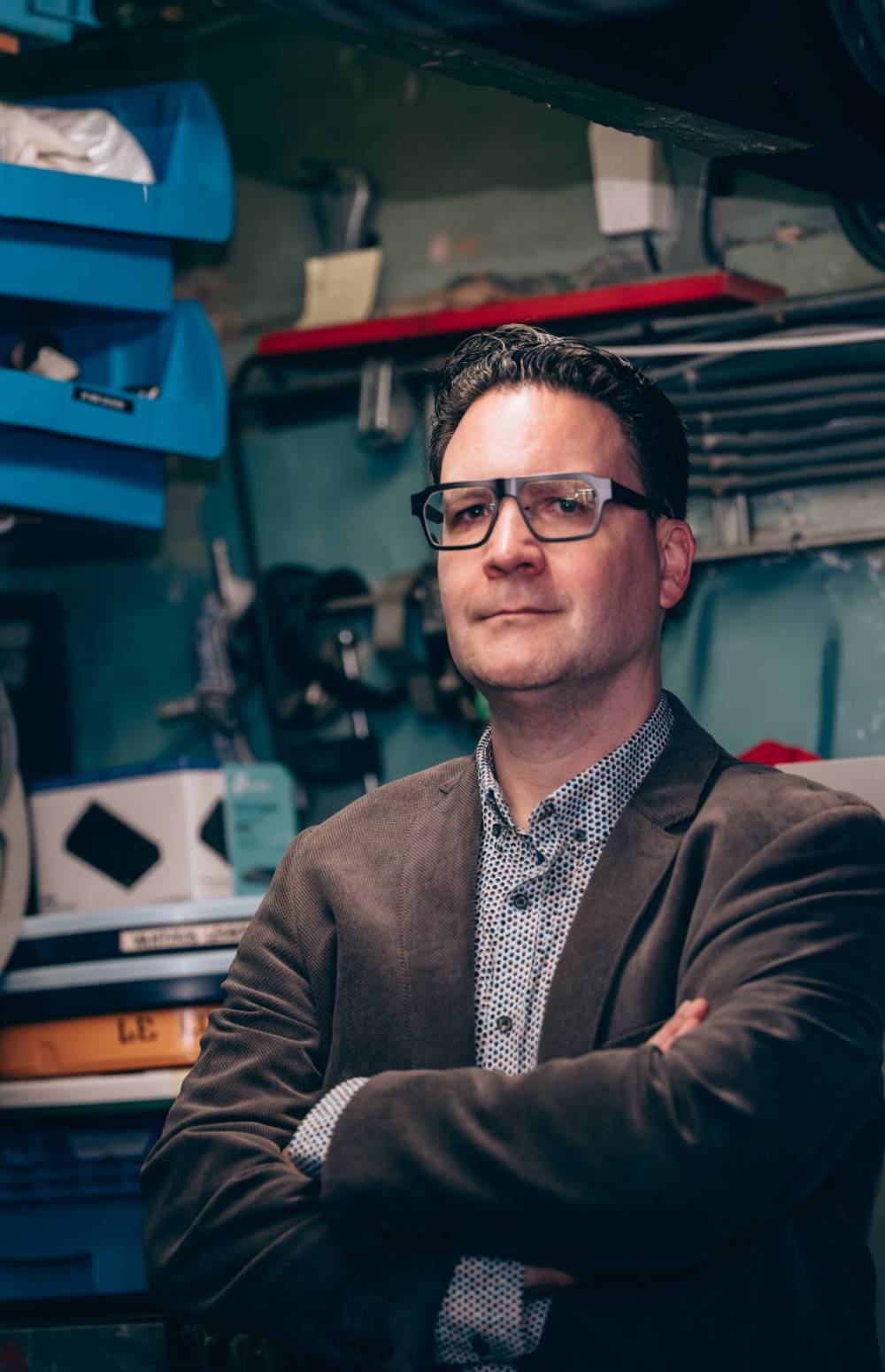
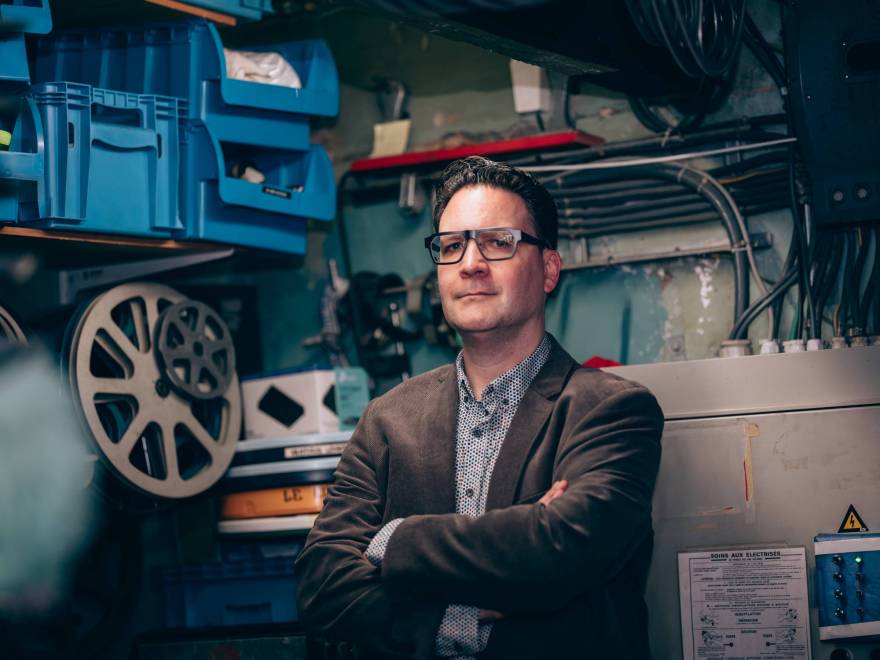
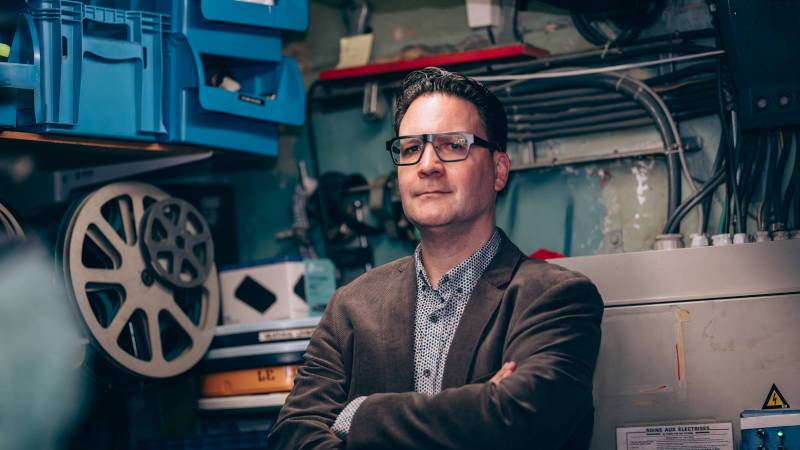
Roel Vande Winkel (b. 1974) is a professor at KU Leuven and teaches at the LUCA School of Arts. He has spent years studying the history of film and cinema, focusing particularly on the European film industry during the first half of the twentieth century. |
#WeArt