
Exchange programme in the Bachelor or Master Music
30 - 60 ECTS / 1 semester - 1 year
LUCA Leuven
LUCA Leuven
Composition Exchange
Bachelor / Master
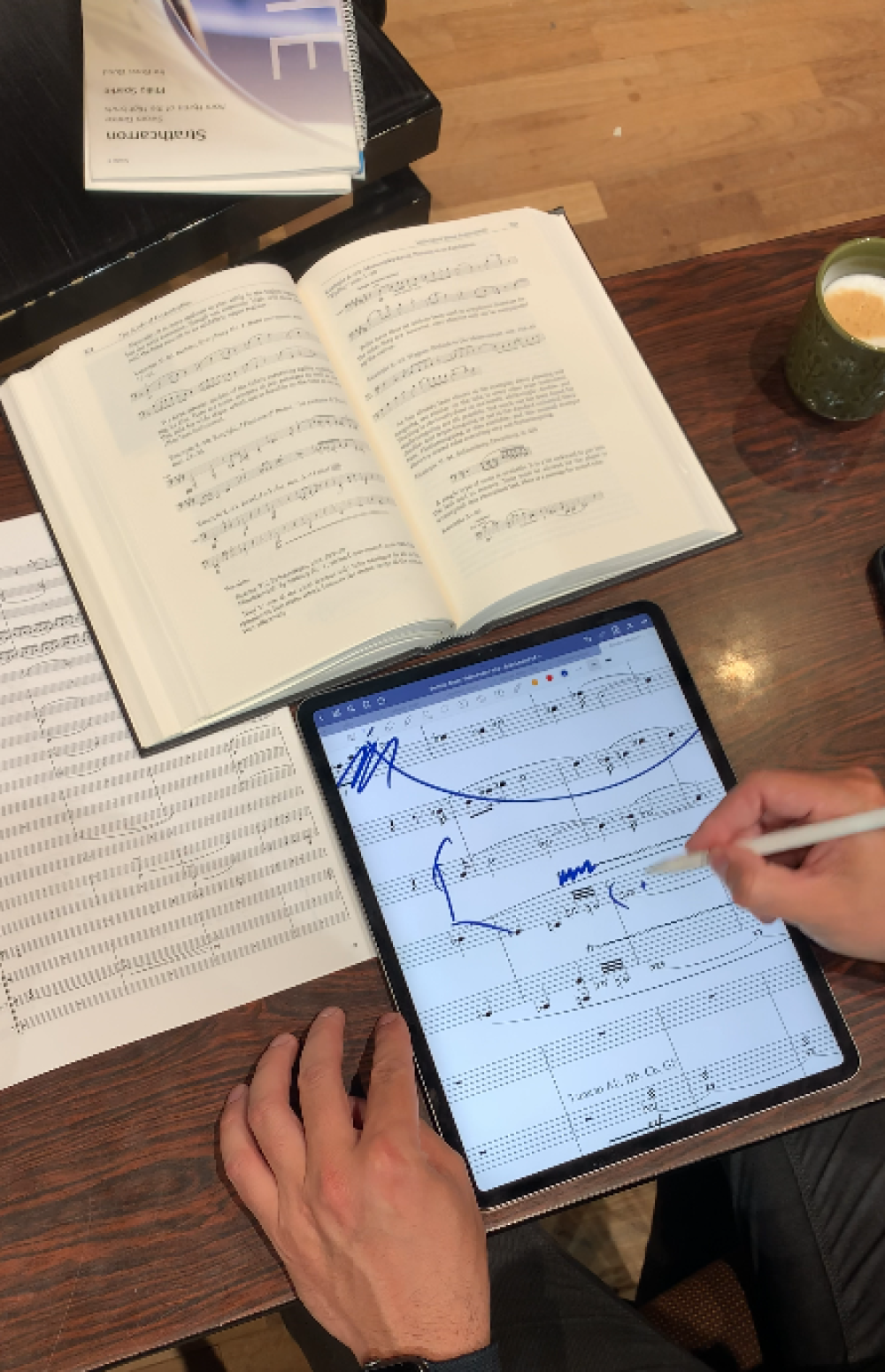
In our Composition department, you combine your personal creativity with historical insight. You learn to write, arrange and improvise music. You also study harmony, polyphony and fugue.
Curriculum
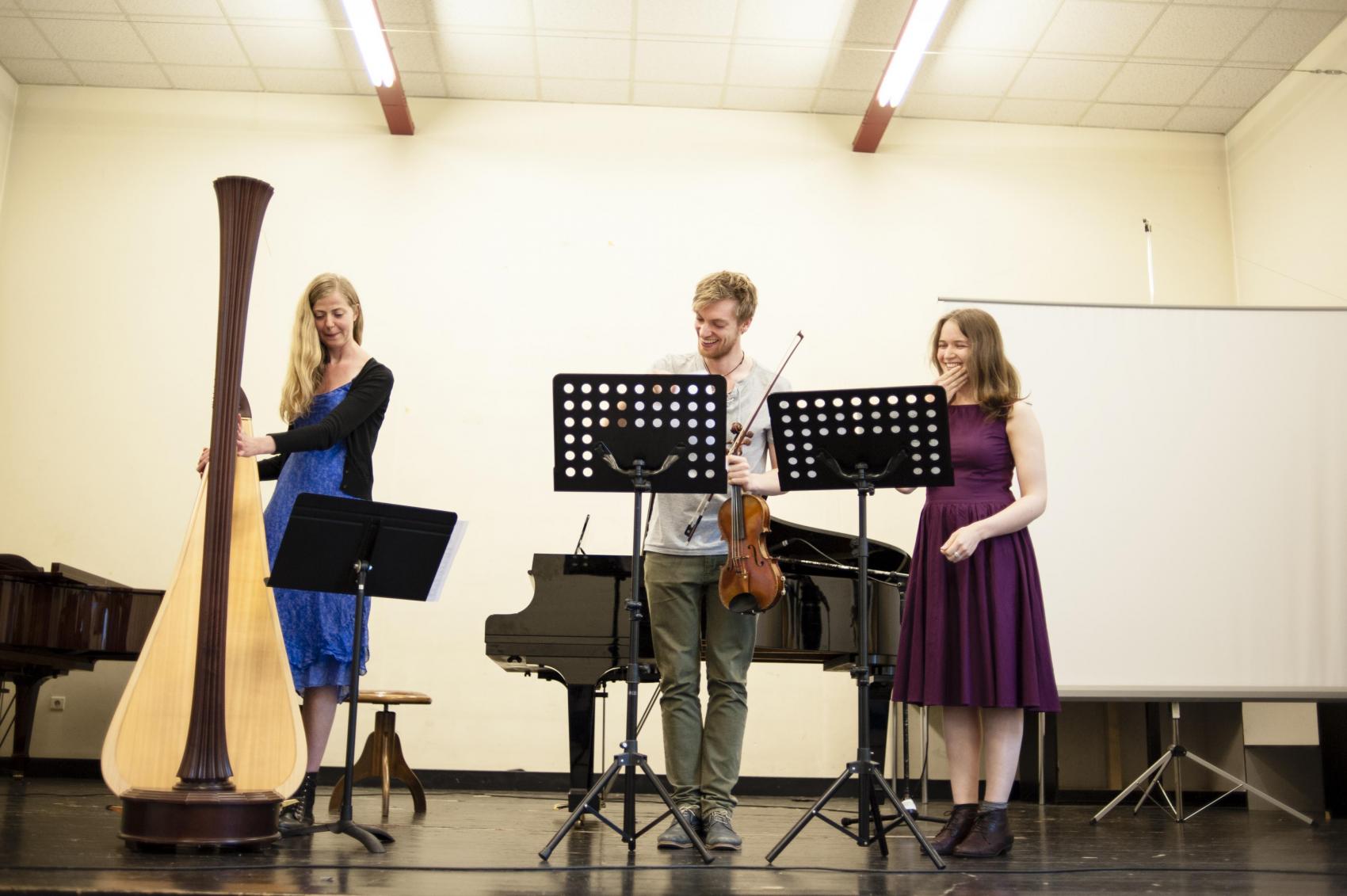
To perform your music, you will work together with the many musicians in the house and enter into interactive collaborations with people from other art forms. In this way, you will learn what place music can occupy in today's society.
The curriculum is broadened to include fugue and orchestral theory, and your teachers will guide you in your search for a personal style.
If you would like to know more about the subjects you will be taught, have a look at the course schedule with study guide for content and credits for bachelor's and master's degrees.
Masterclasses, symposia and intense practical experiences
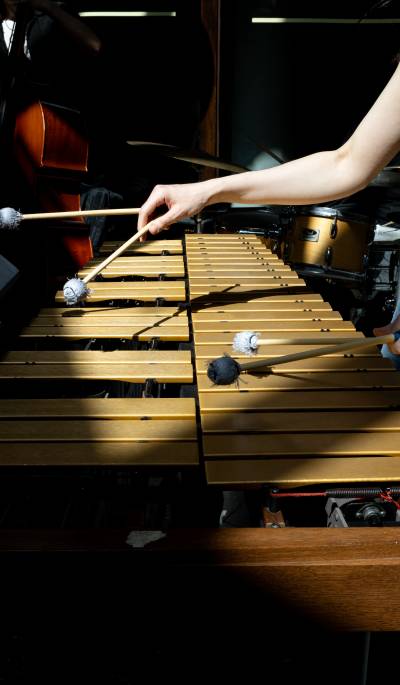
Every year, the program organizes interesting masterclasses, workshops and clinics with external experts, renowned foreign instrumentalists, music therapists and pedagogues. Music practice is central to our campus. You not only make music during your practical lessons or self-study but also participate in our ensembles, choirs and orchestras and the prestigious artistic productions. These experiences transform you into a team player.
Cross overs
LUCA School of Arts is a biotope in which collaboration between students from different art disciplines is stimulated. This results in interesting crossovers and innovative artistic practices.
Seminars
Seminars are an integral part of the master's program. LUCA has a particularly rich and diversified range of research seminars fed by the research groups of our campuses from Brussels, Ghent, Genk and Leuven. Each campus has its own researchers, research traditions and disciplines.
Together with your coordinator, you will select two seminars that match your ambitions. You can also choose from the courses given at the KU Leuven or its associated university colleges.
Discover LUCA’s workshops
The sound & stage workshop unites technology and artistic creation. We support you with lighting, sound, video and scenography, and help translate an artistic idea into a technically feasible and safe design, with attention to equipment, acoustics and software.
You work in specialised studios: in the technical room you work with audio editing, monitors and microphones; the recording studio is ideal for voice-overs and experimentation; and the polyvalent space allows you to explore immersive audio and collective listening sessions.
Technical choices strongly influence the concept and overall experience.
As a LUCA student, you have access to every workshop across all LUCA campuses.
Welcome!
What do you need?
A good command of English (level B2) is required to make the most of your stay with us. Campus Lemmens does not own student accommodation. Therefore, you will have to rent a room on the private housing market for the duration of your stay. To help you in your search, please visit the website of the KUL or contact our student support services.
Interested in this course?
Application & entry requirements
All Erasmus+ Exchange Students need to apply via the exchange application procedure of LUCA School of Arts. During your application process, you can indicate the LUCA campus of your choice and the exchange programme you wish to apply for. Notice that not all programmes are open for incoming exchange students in both semesters. An overview can be found here.
- The deadline for the Autumn Semester / full year is April 1
- The deadline for the Spring Semester is October 1
Outcome Exchange Application
The outcome of the application can be expected within 4-6 weeks after the application deadline. Both you and your international coordinator will be informed about the result of your application by e-mail. No need to inquire about the outcome yourself.
Where do you have class?
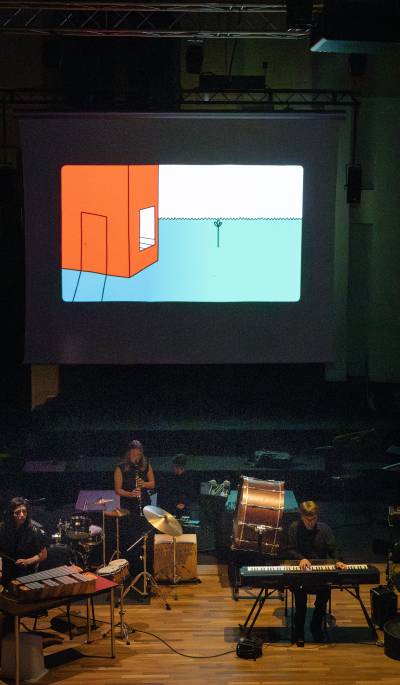
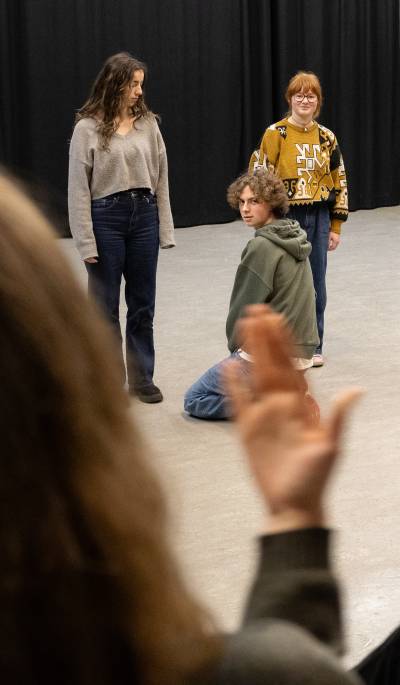
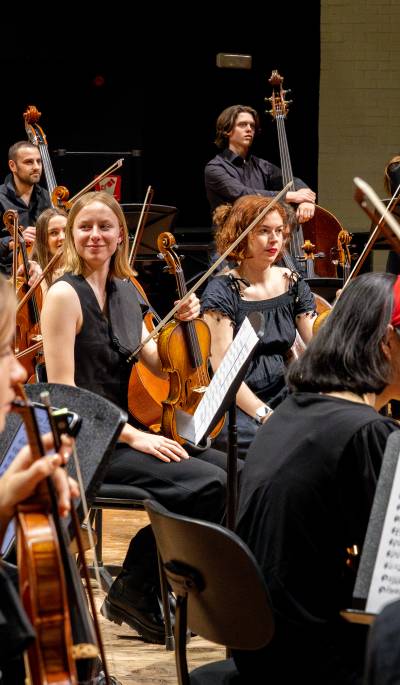
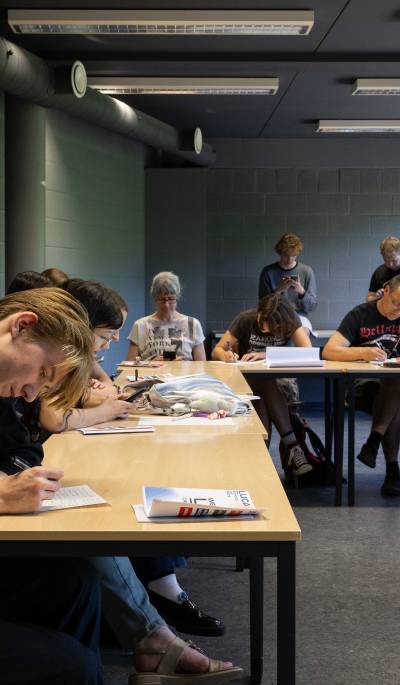

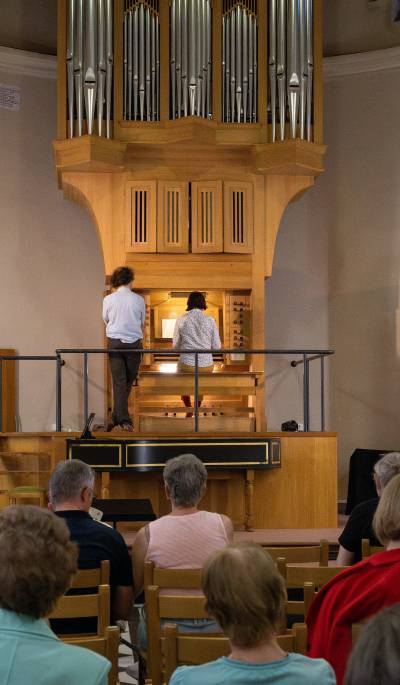
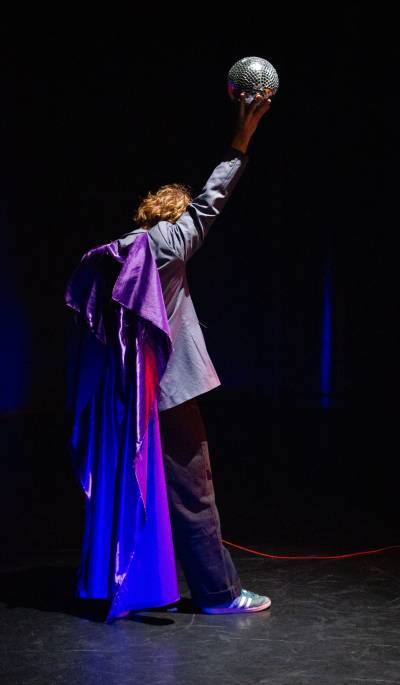
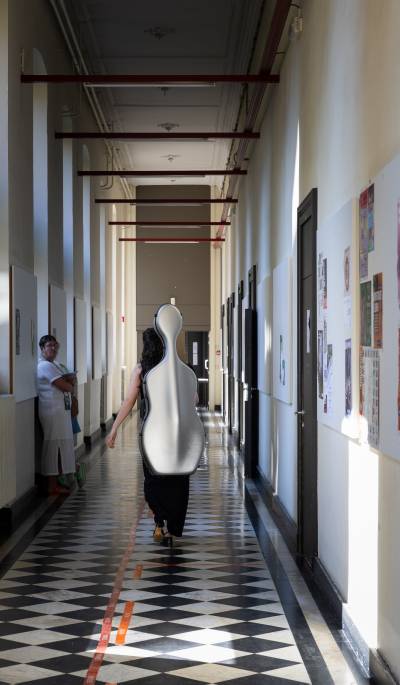
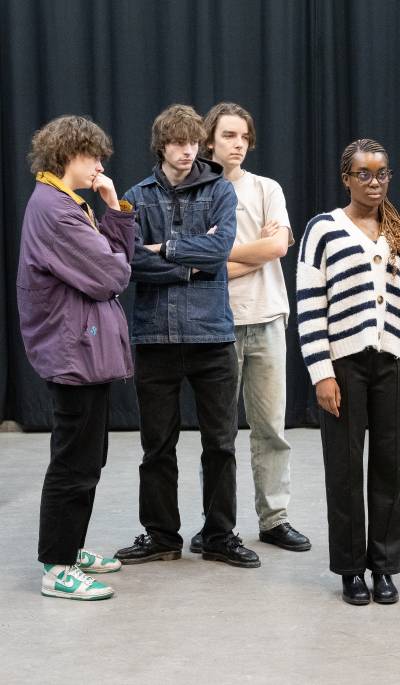
Facilities & campus life
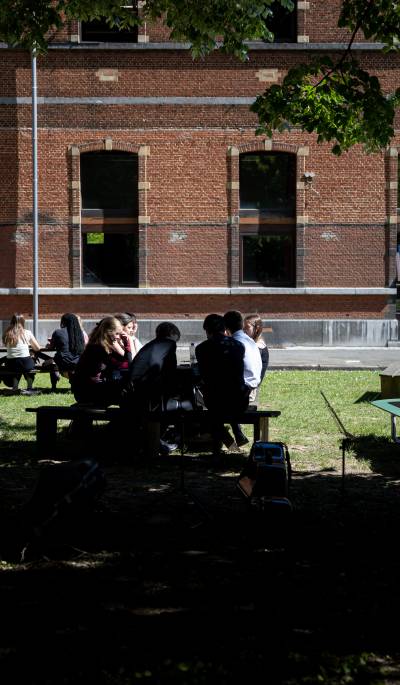
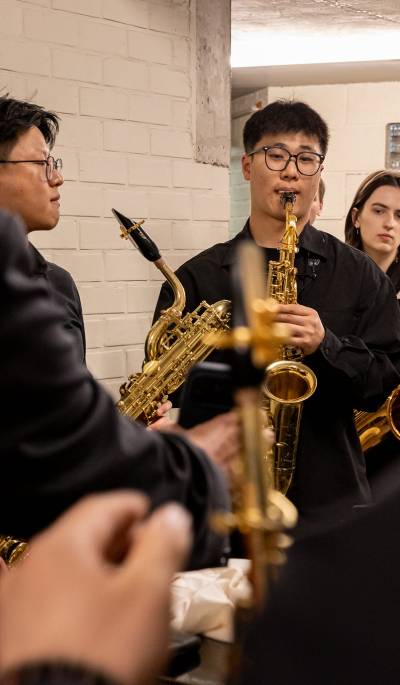
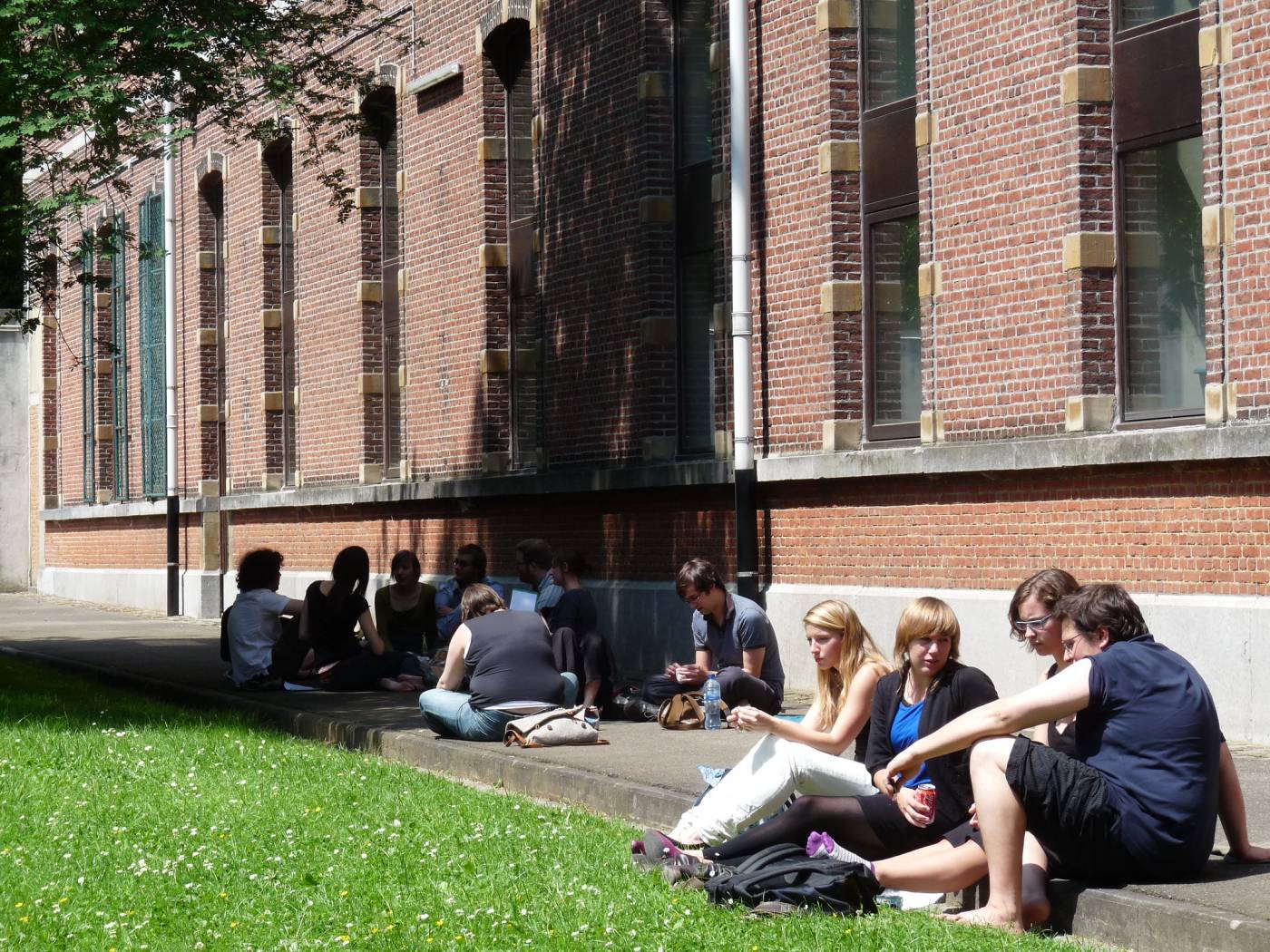
- Our very own campus, situated in a parc in one of Europe's oldest university towns
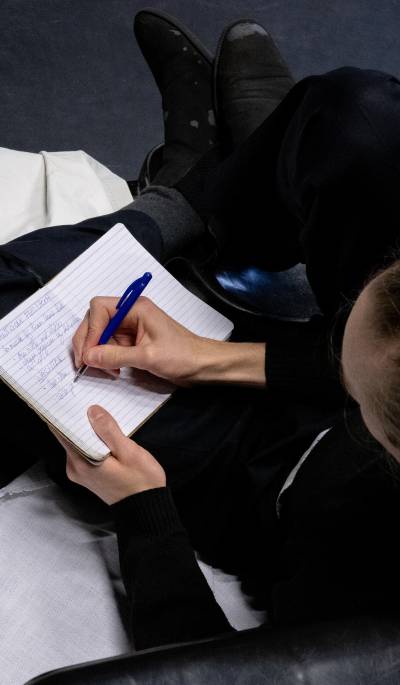
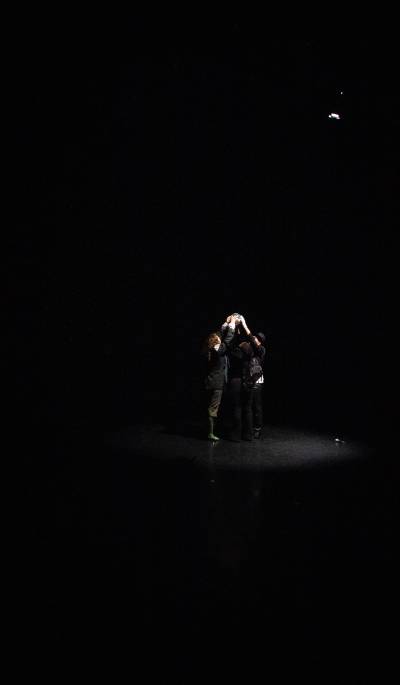
- An artistic meeting space for theater maker and musicians
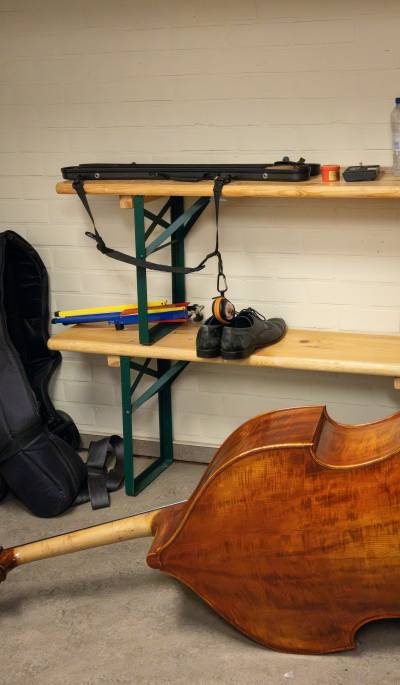
- A coworking space with rehearsal studio's concert halls and theater venues
- An art centre with concerts, performances and theater shows, lectures and artist talks, book launches, graduation shows and showcases
- An expertise centre for young perfomnce artists with an art library, production support and a lending service
- An intricate network of cultural partners where students rehears and show the results of their projects
Location
Lemmensberg 3
3000 Leuven
info.lemmens@luca-arts.be
+32 2 447 15 00
Contact
If you need more information, don't hesitate to contact us:
International Coordinator Campus Lemmens
Diana Solomonidou
diana.solomonidou@luca-arts.be
Campus Lemmens
Lemmensberg 3
3000 Leuven
+32 2 447 15 00
info.lemmens@luca-arts.be
Interested in this course?
Quality is LUCA’s driving force
If the fundamental attitude of the policy plan implies that ‘quality is our driving force’, and that every aspect of the policy can be assessed against this, then LUCA undeniably aims to build and nurture a strong quality culture: a culture based on trust in people with talent and expertise, and aimed at valuing, inspiring, and improving.
The formal quality framework for study programmes within LUCA was named KOPERA, which stands for: Critically Analyzing the Quality of Study Programmes with Peers in Self-Direction.
For KOPERA, LUCA starts from a vision of quality assurance that stems from trust and is aimed at valuing, inspiring, and improving.
During the six-year KOPERA cycle, each study programme receives a panel of critical friends who review the implementation of the quality characteristics and examine how the programme contributes to the general LUCA policy.
The culmination of KOPERA is the ultimate assurance of programme quality. The core question here is: "does the study program have a good quality culture that follows the ‘plan-do-check-act’ cycle?"
LUCA publishes a quality sheet for every study program. You can find this on the 'Quality Assurance' page.
#WeArt