
Exchange programme Bachelor Drama
30 ECTS / 1 semester / English, Dutch
LUCA Leuven
LUCA Leuven
Drama: Writing & Creating Exchange
Bachelor
Central to 'Writing for Performance' is the making, creating and writing of texts with the aim of performing them. You invent stories that give shape to your vision and fascinations, and you acquire your own artistic signature. The programme starts from writing, creating and performing in a theatrical context: the stage is the primary context of your authorship.
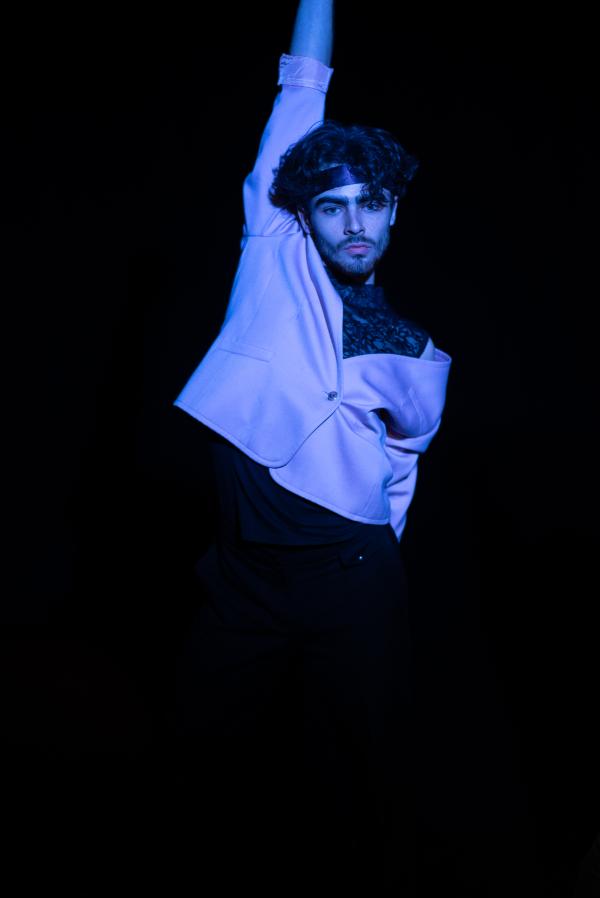
You are coached individually and collectively, by various award-winning authors, in writers' rooms and in writing modules that focus on a specific form or style. Theoretical courses help you build up a broad frame of reference. You gain insight into how your body and voice work and learn to use them on stage.
You cooperate with students from the actors’ programme in joint creative projects. In four open studio weeks you experiment with materials and working methods. We teach you to master stage techniques and coach you in setting up your own performances.
Through interdisciplinary projects with the other programmes at LUCA School of Arts, you also develop writing skills for other media and disciplines, such as film, music, gaming and visual arts.
You learn to function broadly and flexibly, as a creating and performing artist. You develop your craft in relation to the world and the contemporary arts field. With a strong entrepreneurial spirit, with a caring, critical and committed attitude.
Curriculum
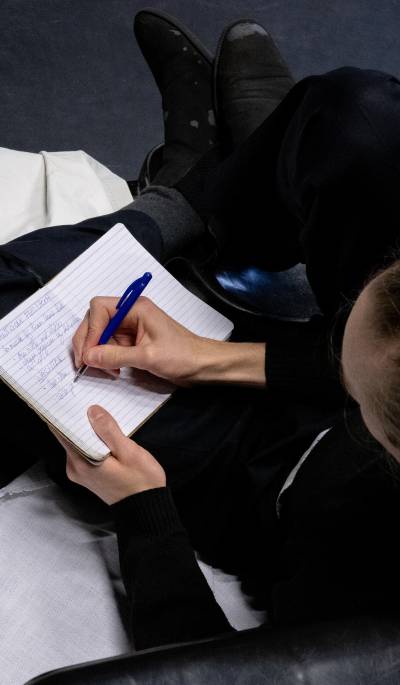
- Every week, you participate in a collective studio practice (writers' room), which takes shape in an individual portfolio and in your own performances. You explore in practice what text can be like, today and in the future.
- In training modules, you develop writing skills in different styles, forms and genres. You develop your writing practice as an author and maker for the stage (theatre dialogues, spoken word), for film and television (screenplay), for audio & new media (e.g. podcasts) and in the context of visual arts.
-
In broadening and deepening six-week modules, you work both collectively and individually on writing, acting and making skills. Via electives, you can focus on writing for camera, spoken word or interdisciplinary work.
- At the end of your Bachelor programme, you present a full-fledged performance, in cooperation with other theatre makers.
Exchange students
Drama: Acting, Writing & Creating Exchange program
-this program is only available for bachelor students-
The Drama program at LUCA School of Arts consists of two trajectories: Acting & Creating and Writing & Creating. The exchange program consists of a combination of both.
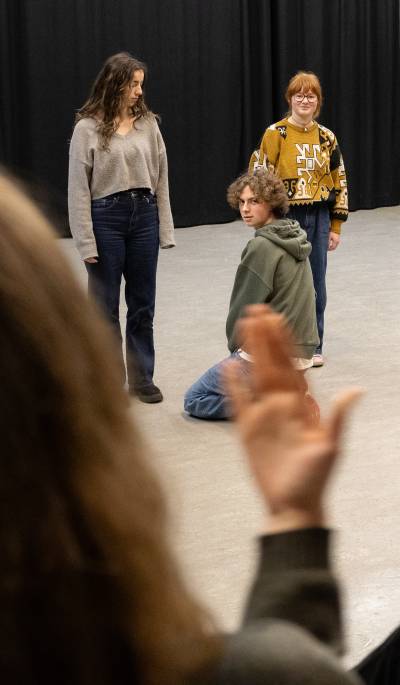
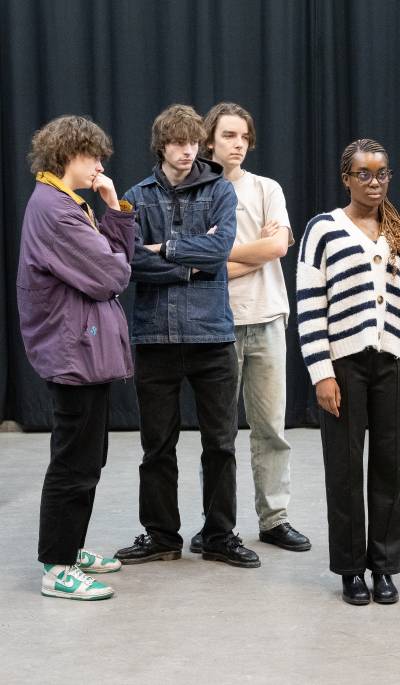
In the ‘Acting & Creating’ trajectory, text is the starting point. Students perform the classics, dive into contemporary text material (dialogues, monologues, film fragments, …) and engage in experimental work. They train their body and voice and learn to use them on stage. They create performances starting from shared fascinations and themes.
Central to 'Writing & Creating’ is the writing of texts with the aim of performing them. Students invent stories that give shape to their themes & fascinations and develop their own artistic signature. The program starts from writing, creating and performing in a theatrical context: the stage is the primary context of authorship.
The exchange program focuses on the cross-pollination between acting, writing, and creating. It is a combination of 2BA and 3BA courses, in which the deepening of artistic skills is central. The development of a personal artistic profile goes hand in hand with collaborative group work, in which students share reflection and inspiration. The Drama team consists of a diverse group of teachers who have an active practice in the Dutch spoken theatre landscape of Belgium and the Netherlands.
An exchange program is possible in the second term (mid January to mid June). Exchange students can participate in one English-language module and can rely on individual guidance in English for the other courses, that are taught in Dutch.
Second Semester:
| Component code | Course name | ECTS credits | Language |
|---|---|---|---|
| L43413 | -Acting/Writing/Creating 1 (Feb-March) (In this module the students can deepen their skills in bodily performance) |
6 | English |
| L43414 | -Acting/Writing/Creating 2 (April-June) (Students can choose a module to focus on either acting & creating or writing & creating.) |
6 | English |
| L43396 | - Crosslab 1 (end of January) (Interdisciplinary co-creation week with drama and music students) |
3 | English |
| L43390 | - Singing (Feb-May) (Weekly choir singing course) |
3 | Dutch with English support |
| L43415 | - Writing for camera (Feb-May) (The students develop, elaborate and refine a script of their own. They interpret each other’s scripts at different moments of the writing process.) |
6 | English |
| L43416 | -Artistic internship (May- June) (The students play an active role in the English-speaking program of the Shakespeare is dead festival ‘Future Narratives for Planet Earth’ , which takes place in Leuven) (9-13 June, 2026). |
6 | English |
| Total | 30 |
Discover LUCA’s workshops
The sound & stage workshop unites technology and artistic creation. We support you with lighting, sound, video and scenography, and help translate an artistic idea into a technically feasible and safe design, with attention to equipment, acoustics and software.
You work in specialised studios: in the technical room you work with audio editing, monitors and microphones; the recording studio is ideal for voice-overs and experimentation; and the polyvalent space allows you to explore immersive audio and collective listening sessions.
Technical choices strongly influence the concept and overall experience.
As a LUCA student, you have access to every workshop across all LUCA campuses.
Welcome!
What do you need?
A good command of English (level B2) is required to make the most of your stay with us. Campus Lemmens does not own student accommodation. Therefore, you will have to rent a room on the private housing market for the duration of your stay. To help you in your search, please visit to the website of the KUL or contact our student support services.
Interested in this course?
Application & entry requirements
All Erasmus+ Exchange Students need to apply via the exchange application procedure of LUCA School of Arts. During your application process, you can indicate the LUCA campus of your choice and the exchange programme you wish to apply for. Notice that not all programmes are open for incoming exchange students in both semesters. An overview can be found here.
- The deadline for the Autumn Semester / full year is April 1
- The deadline for the Spring Semester is October 1
Outcome Exchange Application
The outcome of the application can be expected within 4-6 weeks after the application deadline. Both you and your international coordinator will be informed about the result of your application by e-mail. No need to inquire about the outcome yourself.
Where do you have class?

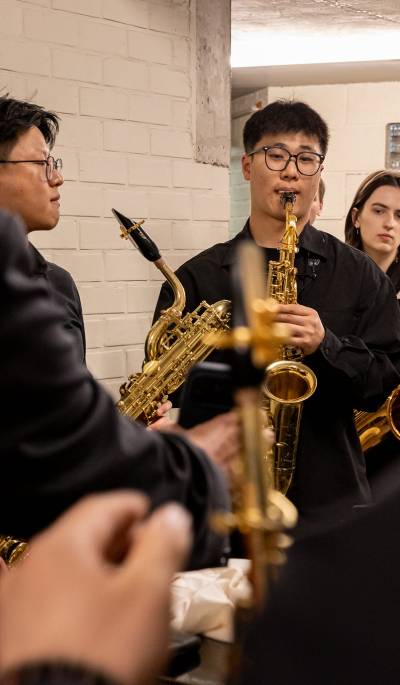
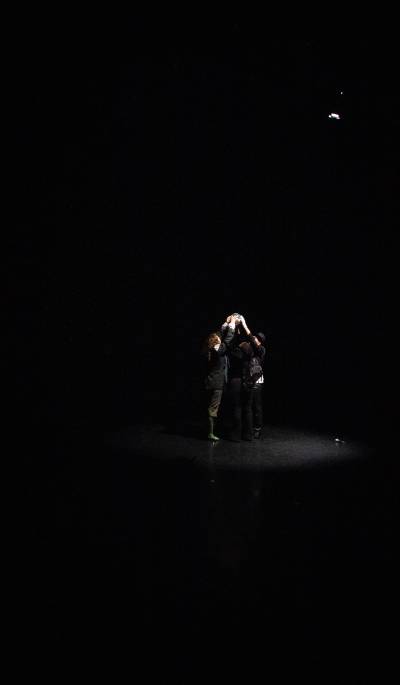
Facilities & campus life
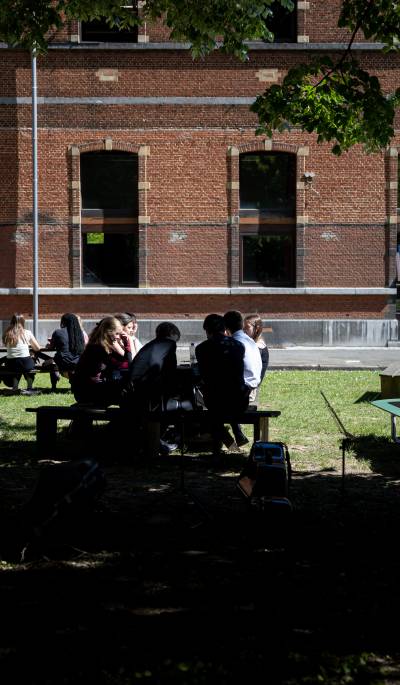
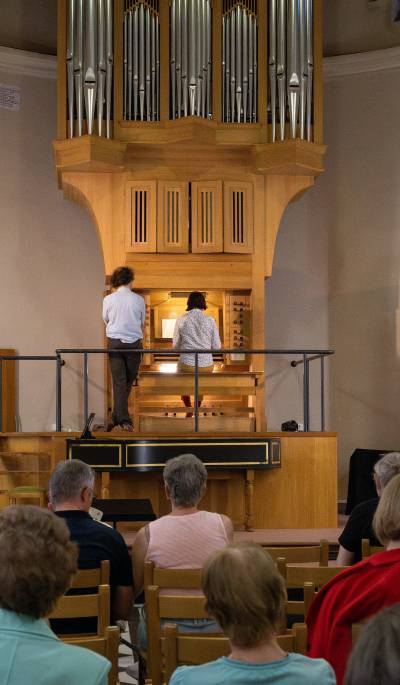
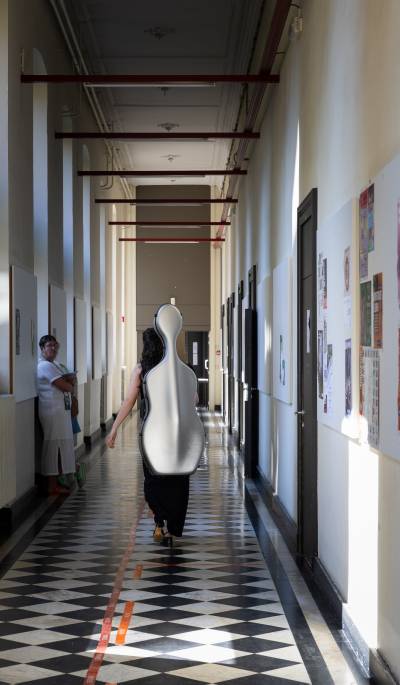
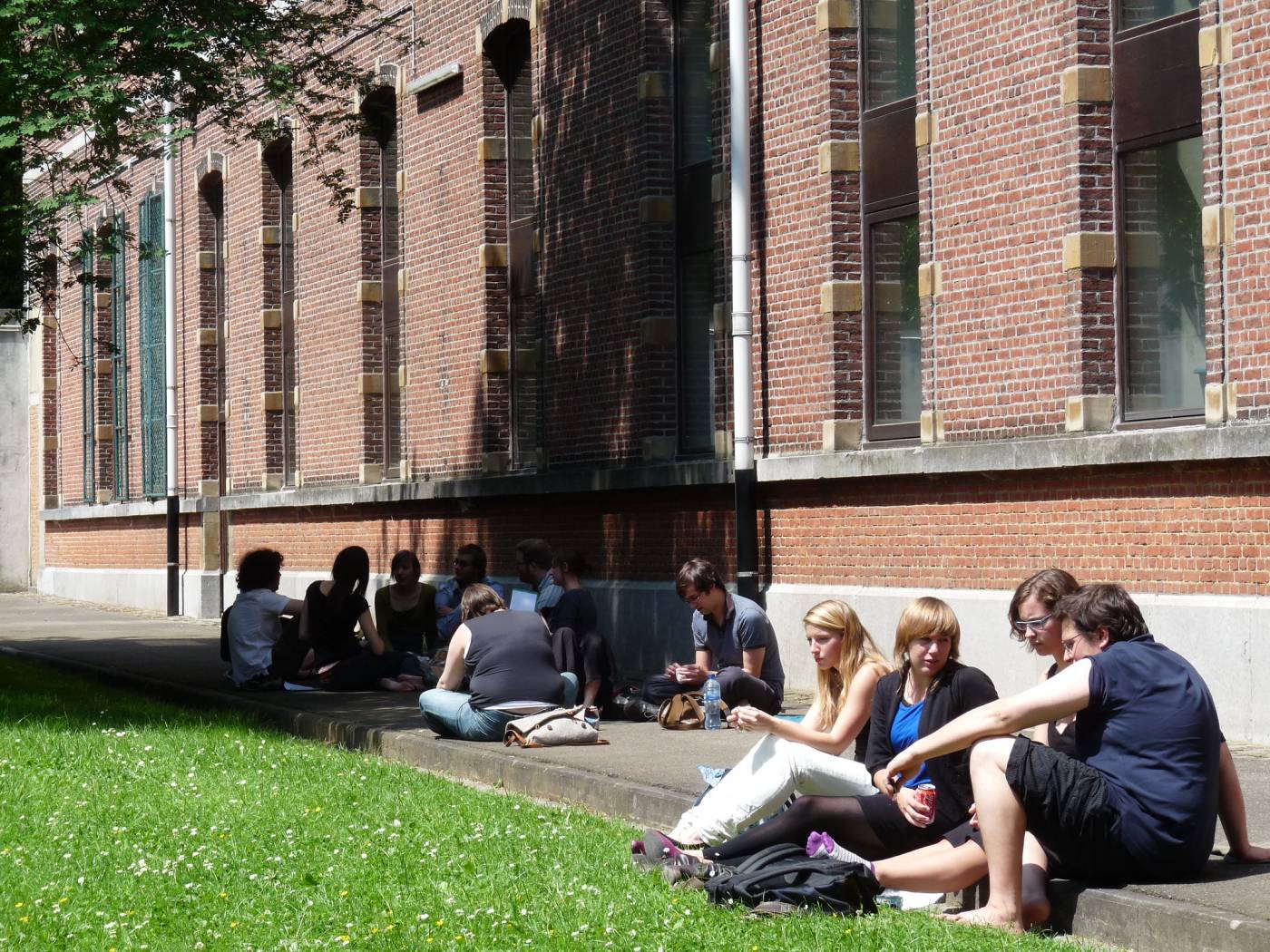
- Our very own campus, situated in a parc in one of Europe's oldest university towns
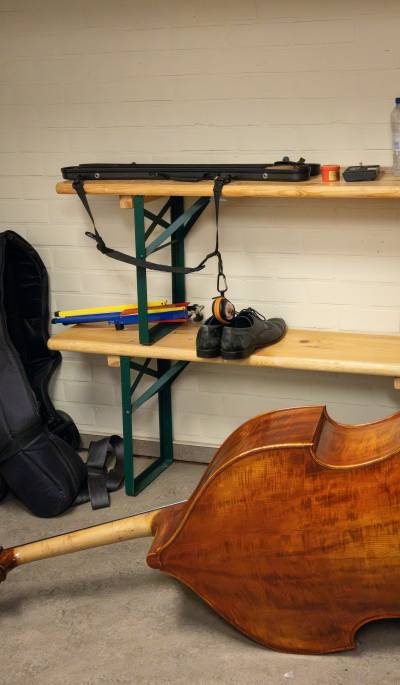
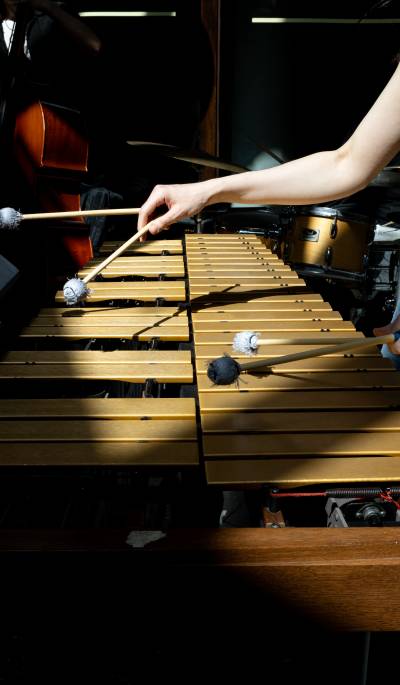
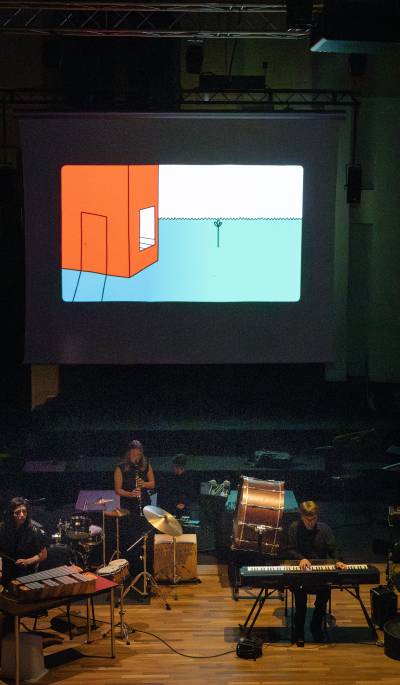
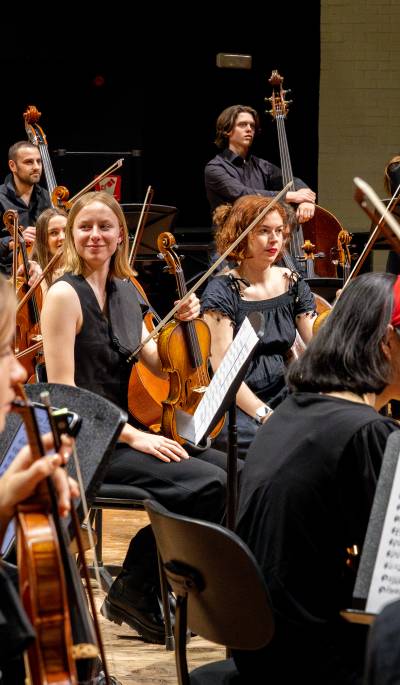
- An artistic meeting space for theater maker and musicians
- A coworking space with rehearsal studio's concert halls and theater venues
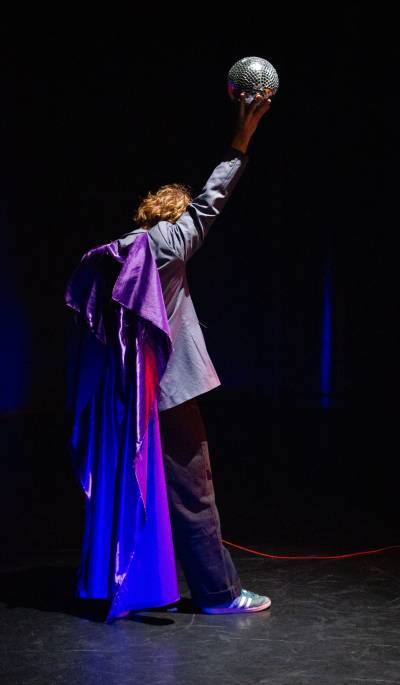
- An art centre with concerts, performances and theater shows, lectures and artist talks, book launches, graduation shows and showcases
- An expertise centre for young perfomnce artists with an art library, production support and a lending service
- An intricate network of cultural partners where students rehears and show the results of their projects
Location
Lemmensberg 3
3000 Leuven
info.lemmens@luca-arts.be
+32 2 447 15 00
Contact
If you need more information, don't hesitate to contact us:
International Coordinator Campus Lemmens
Diana Solomonidou
diana.solomonidou@luca-arts.be
Campus Lemmens
Lemmensberg 3
3000 Leuven
+32 2 447 15 00
info.lemmens@luca-arts.be
Interested in this course?
Quality is LUCA’s driving force
If the fundamental attitude of the policy plan implies that ‘quality is our driving force’, and that every aspect of the policy can be assessed against this, then LUCA undeniably aims to build and nurture a strong quality culture: a culture based on trust in people with talent and expertise, and aimed at valuing, inspiring, and improving.
The formal quality framework for study programmes within LUCA was named KOPERA, which stands for: Critically Analyzing the Quality of Study Programmes with Peers in Self-Direction.
For KOPERA, LUCA starts from a vision of quality assurance that stems from trust and is aimed at valuing, inspiring, and improving.
During the six-year KOPERA cycle, each study programme receives a panel of critical friends who review the implementation of the quality characteristics and examine how the programme contributes to the general LUCA policy.
The culmination of KOPERA is the ultimate assurance of programme quality. The core question here is: "does the study program have a good quality culture that follows the ‘plan-do-check-act’ cycle?"
LUCA publishes a quality sheet for every study program. You can find this on the 'Quality Assurance' page.
#WeArt