
Exchange programme in the Bachelor Visual Arts
30 - 60 ECTS / 1 semester - 1 year / English
Sint
Sint
Graphic Storytelling Exchange
Bachelor
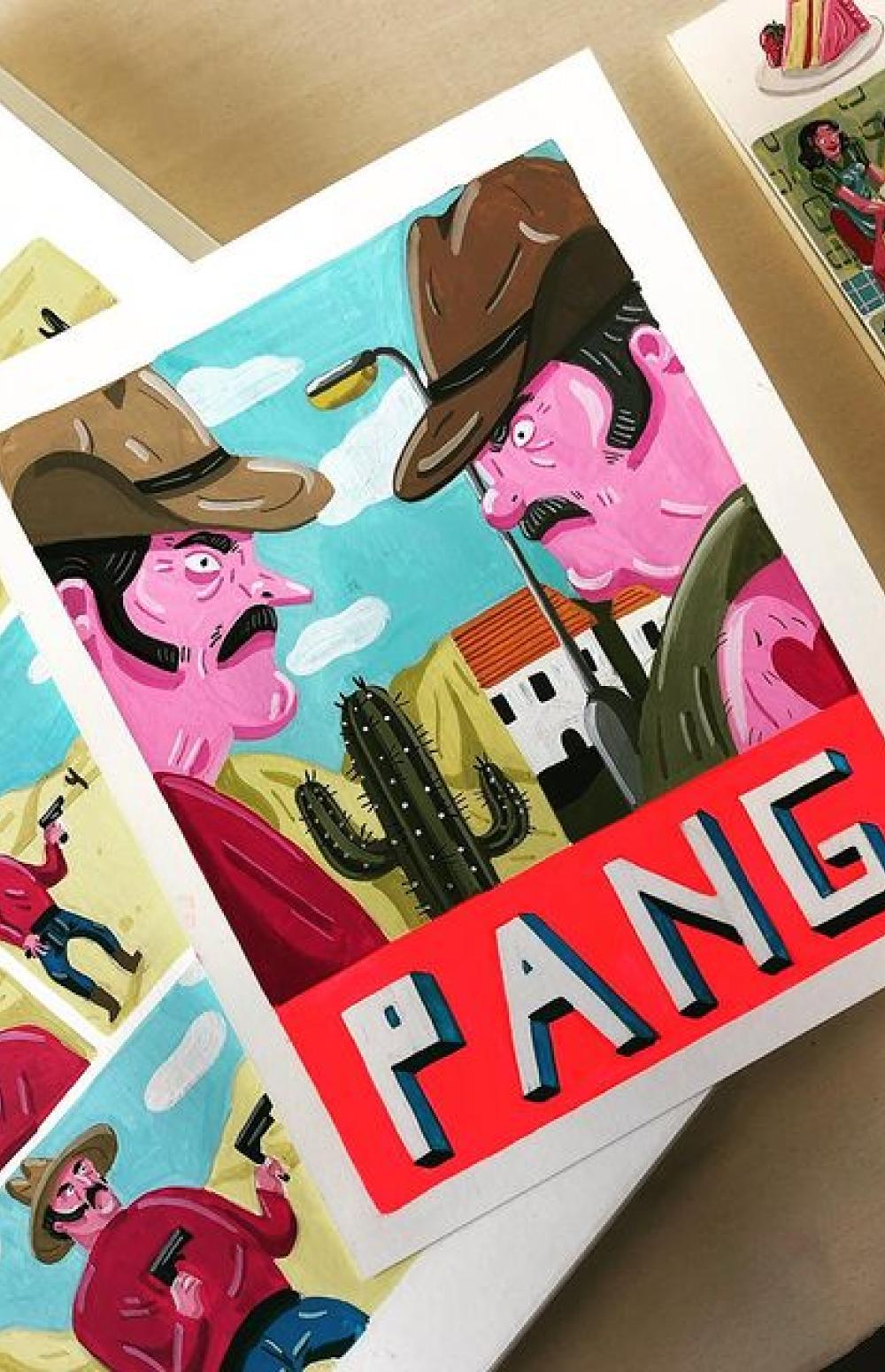
When choosing the Graphic Storytelling programme, you'll learn to develop your graphic and narrative skills with a great emphasis on drawing and how to develop your unique style.
Curriculum
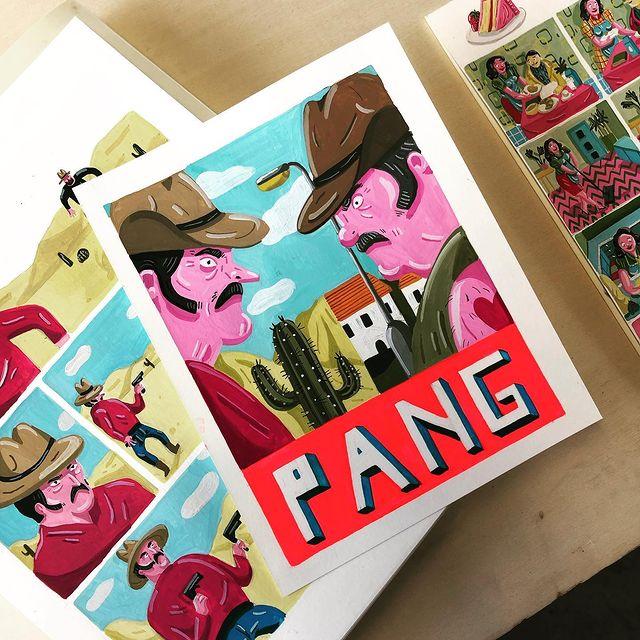
In the Graphic Storytelling program, students learn to develop their graphic and narrative skills. The various studio-based classes of Illustration, Drawing and Sequential Art all teach technical aspects of drawing and new technologies for diverse media, both for print and digital media. Students are trained in various storytelling techniques and creative writing.
Programme for exchange students: Our international Autumn semester is dedicated to both fiction and non fiction. Students choose illustration or sequential techniques, and focus on learning to work with narratives — using existing stories and/or writing personal ones. The weekly schedule also includes drawing classes and elective courses.
During our international Spring semester, students work on editorial illustration, the movement of characters, and developing a narrative concept into a multiple page publication. The weekly schedule also includes drawing and Contemporary Media classes, and short workshops on e.g. bookbinding or printing techniques.
First semester
| Component code | Course name | ECTS credits | Language |
|---|---|---|---|
| K44228 |
English Cultural Module Brussels "Made in Belgium" (note: one week introduction before start of semester) |
3 | English |
| K44253 | Studio Practice Graphic Storytelling 3 | 9 | Dutch with English support |
| K44523 | Drawing Expanded 2 | 6 | Dutch with English support |
| K44632 | Storytelling | 3 | English |
| K44520 | Narrative Experiences | 6 | English |
| K44499 | Research in the Arts | 6 | English |
| Total | 30/33 |
Second semester
| Component code | Course name | ECTS credits | Language |
|---|---|---|---|
| K44538 |
English Cultural Module Brussels "Made in Belgium" (note: only SEM2 exchange - one week introduction before start of semester) |
3 | English |
| K44620 | Studio Practice Graphic Storytelling 2 | 15 | Dutch with English support |
| K44512 | Drawing Expanded 1 | 6 | Dutch with English support |
| K44207 | Crossmedia Graphic Storytelling 2 | 3 | Dutch with English support |
| K44530 | Drawing Graphic Storytelling 3 | 3 | Dutch with English support |
| OPTIONAL if full year exchange | |||
| K44492 | Editing Across Practices | 6 | Dutch with English support |
| K42954 | Artists & Exhibitions | 3 | English |
| Total | 30/33 |
Note: To see full description of the courses, click here. Keep in mind, this page is not definitive, changes might still occur.
Elise Buntinx
In our workshops, you will find a rich and versatile environment where ideas can grow and take shape.
Whether you work with glass, textiles or ceramics, or immerse yourself in digital practices such as 3D, VR and film, our maker spaces and specialised studios offer the space, tools and guidance to develop your artistic vision.
You work with both traditional crafts and advanced technologies, and you are encouraged to experiment, explore boundaries and acquire new skills.
Students also have access to all workshops across the different LUCA campuses.
Within this open and stimulating context, you collaborate with fellow students, learn from each other’s expertise, and build projects that emerge from research, imagination and the joy of making.
More information about our different workshops

What do you need?
- A good command of English (level B2) is required to make the most of your stay with us;
- Basic knowledge of Adobe Photoshop and Adobe InDesign are recommended.
Interested in this course?
Application & entry requirements
All Erasmus+ Exchange Students need to apply via the exchange application procedure of LUCA School of Arts. During your application process, you can indicate the LUCA campus of your choice and the exchange programme you wish to apply for. Notice that not all programmes are open for incoming exchange students in both semesters. An overview can be found here.
- The deadline for the Autumn Semester / full year is April 1
- The deadline for the Spring Semester is October 1
Outcome Exchange Application
The outcome of the application can be expected within 4-6 weeks after the application deadline. Both you and your international coordinator will be informed about the result of your application by e-mail. No need to inquire about the outcome yourself.
Eva Lynen MA
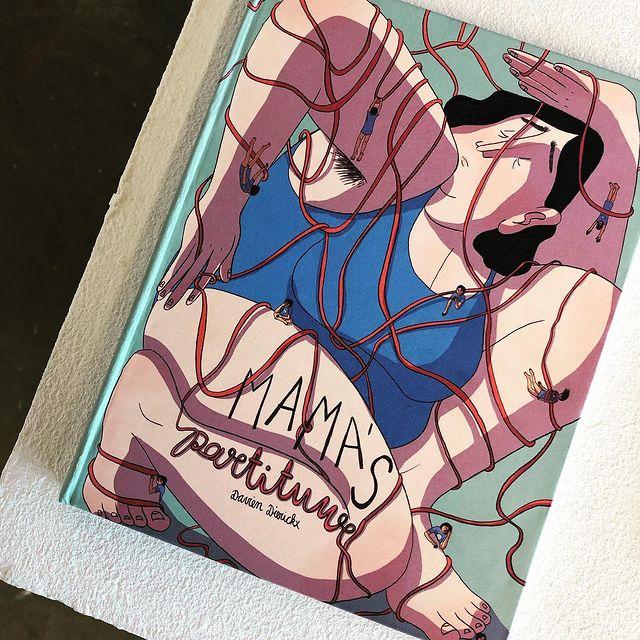
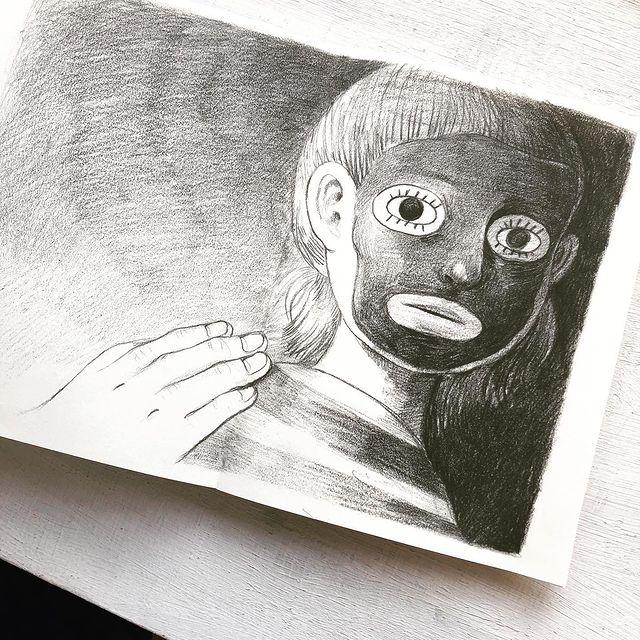
Davien Dierickx MA
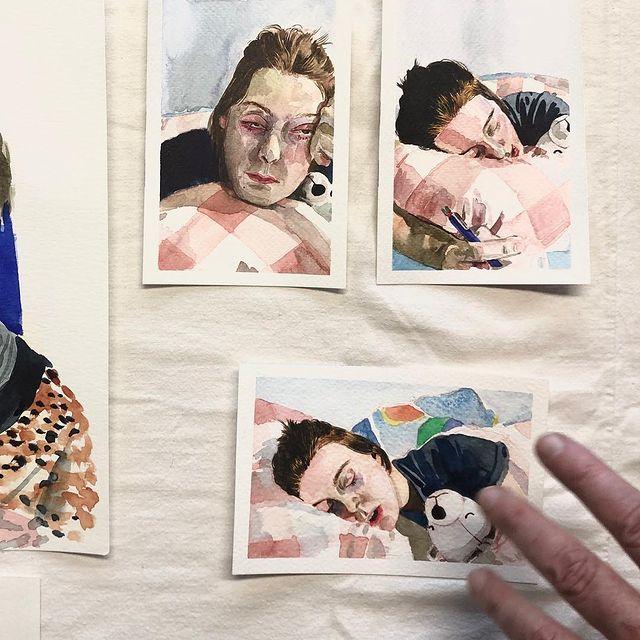
Arty Nicharee 2BA Exchange Programme
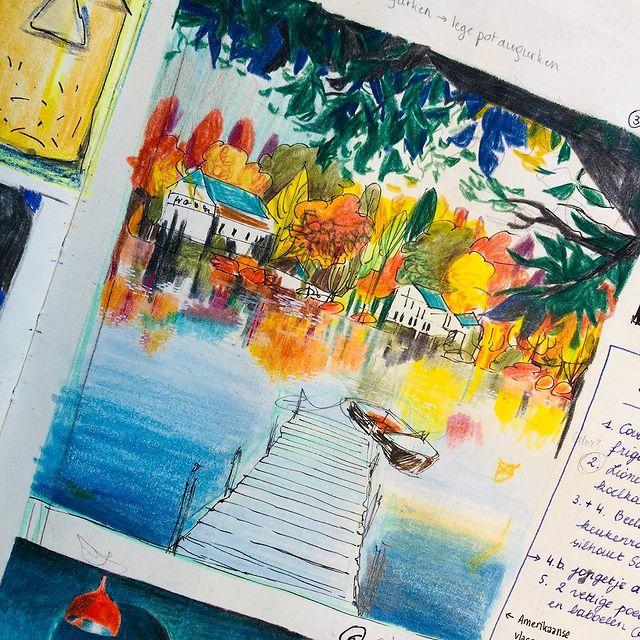
Pauline Verhelst 2BA
Anneka Robyns 2BA
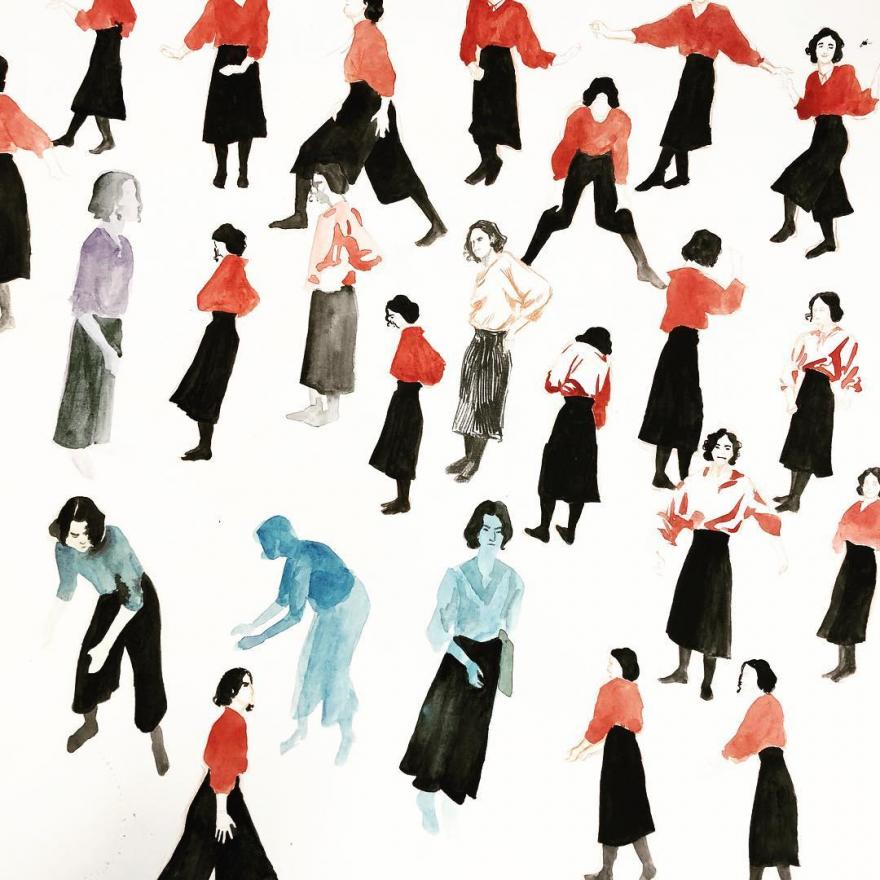
Klara Schevenels 2BA
Where do you have class?
Facilities & campus life
Campus Sint-Lukas Brussels
Paleizenstraat 70
1030 Brussels
+32 2 250 11 00
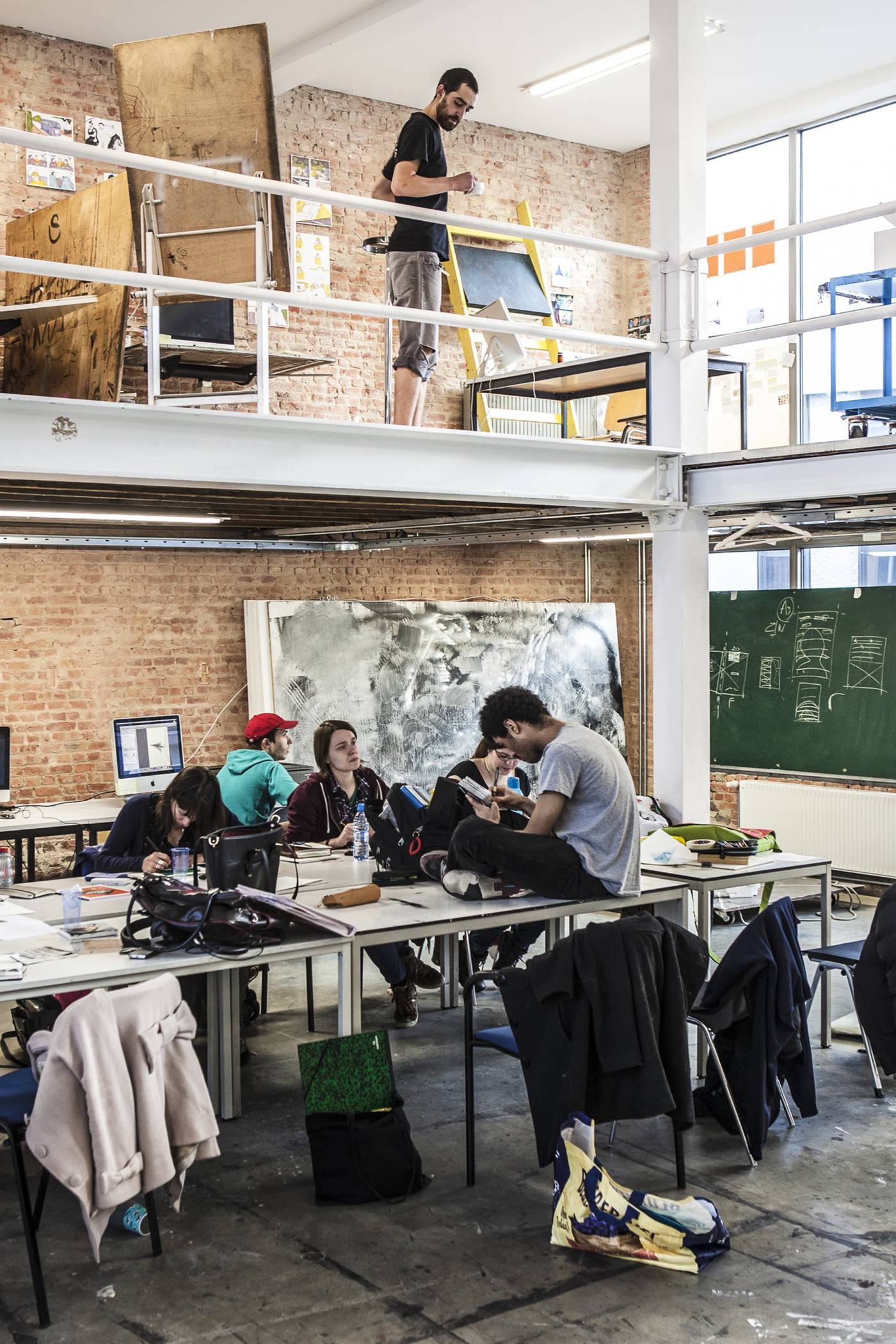
An international campus and an added value to your programme
- A modern and open campus in one of Europe's foremost artistic hubs
- Studio's and workshops, a state of the arts lending service, high tech print rooms …
- A creative community with four educational institutions and over a thousand artist and designers
- An art library renowned for its collection in the country
- At walking distance of the Brussels North railway station
Contact
If you need more information, don't hesitate to contact me:
- Bettie Smets, International Coordinator campus Sint-Lukas Brussels and Narafi Brussels
- bettie.smets@luca-arts.be
- Tel: +32 2 308 27 62
Visit us
Are you curious about our approach to art education? During our open days, you will get all the information you need, visit the campus, talk to our teaching staff and students ... Still not convinced? Visit our graduation show! During this, on-campus two-day art festival you can experience first hand how good our students really are.
Interested in this course?
Quality is LUCA’s driving force
If the fundamental attitude of the policy plan implies that ‘quality is our driving force’, and that every aspect of the policy can be assessed against this, then LUCA undeniably aims to build and nurture a strong quality culture: a culture based on trust in people with talent and expertise, and aimed at valuing, inspiring, and improving.
The formal quality framework for study programmes within LUCA was named KOPERA, which stands for: Critically Analyzing the Quality of Study Programmes with Peers in Self-Direction.
For KOPERA, LUCA starts from a vision of quality assurance that stems from trust and is aimed at valuing, inspiring, and improving.
During the six-year KOPERA cycle, each study programme receives a panel of critical friends who review the implementation of the quality characteristics and examine how the programme contributes to the general LUCA policy.
The culmination of KOPERA is the ultimate assurance of programme quality. The core question here is: "does the study program have a good quality culture that follows the ‘plan-do-check-act’ cycle?"
LUCA publishes a quality sheet for every study program. You can find this on the 'Quality Assurance' page.
#WeArt