
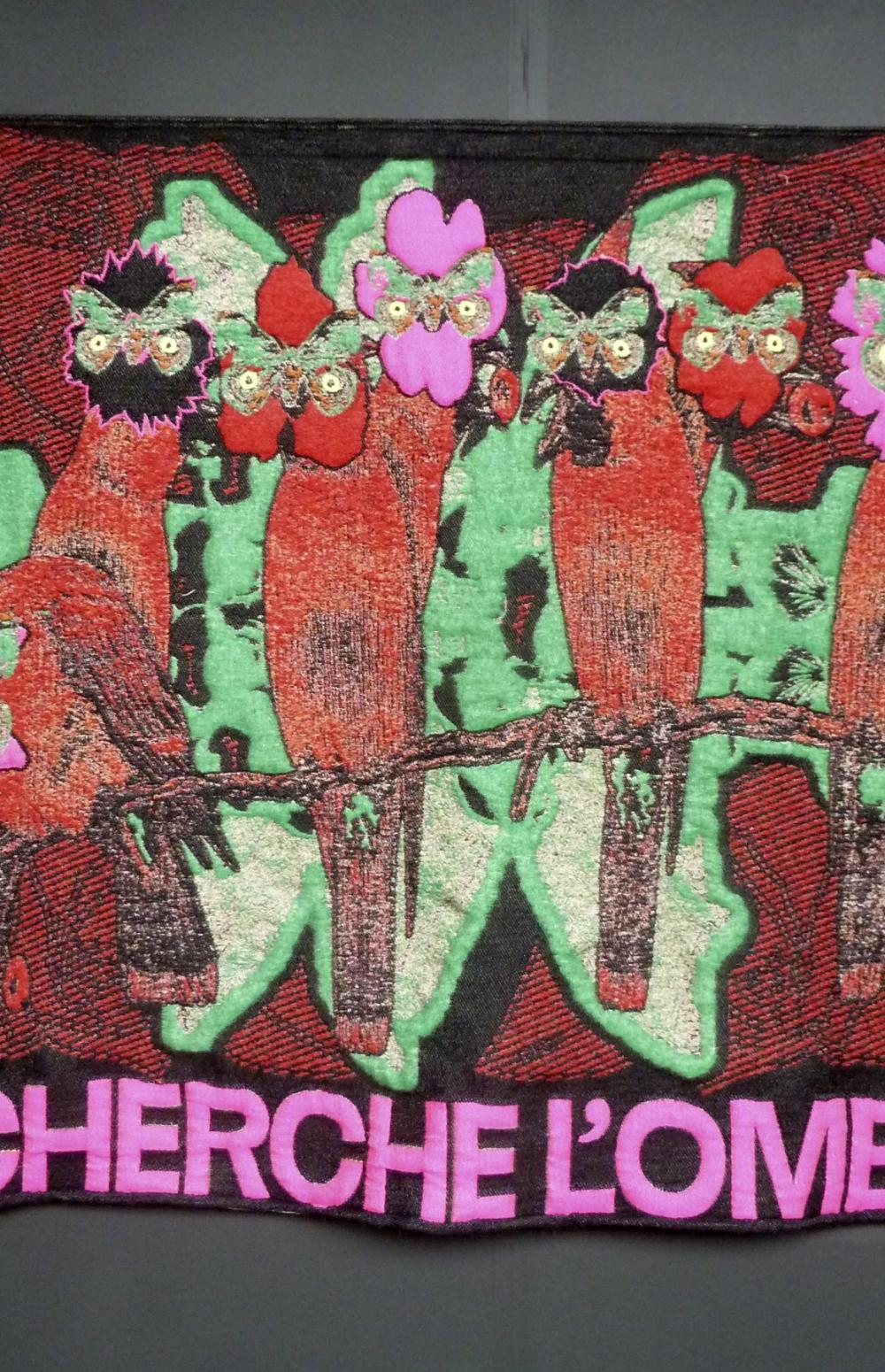
Specialization in the international Master in Visual Arts
60 ECTS / 1 year / English, Dutch
LUCA Gent
Sint-Lucas
LUCA Gent
Sint-Lucas
Textile Design in Ghent
English-taught Master
LUCA’s Master's degree program in Textile Design is open to students interested in exploring the artistic value and versatility of the textile medium. Within the broad range of design and visual arts, emphasis lies on the artistic process in which experimentation, innovative thinking and critical reflection play a key role. In this Master’s degree students become autonomous artists/designers.
LUCA School of Arts Master Textile Design
Alumni Thomas Renwart and Nathalie van der Massen talk about what the Textile Design course means to them.
#askthedesigner interview with Thomas Renwart/Les Monseigneurs
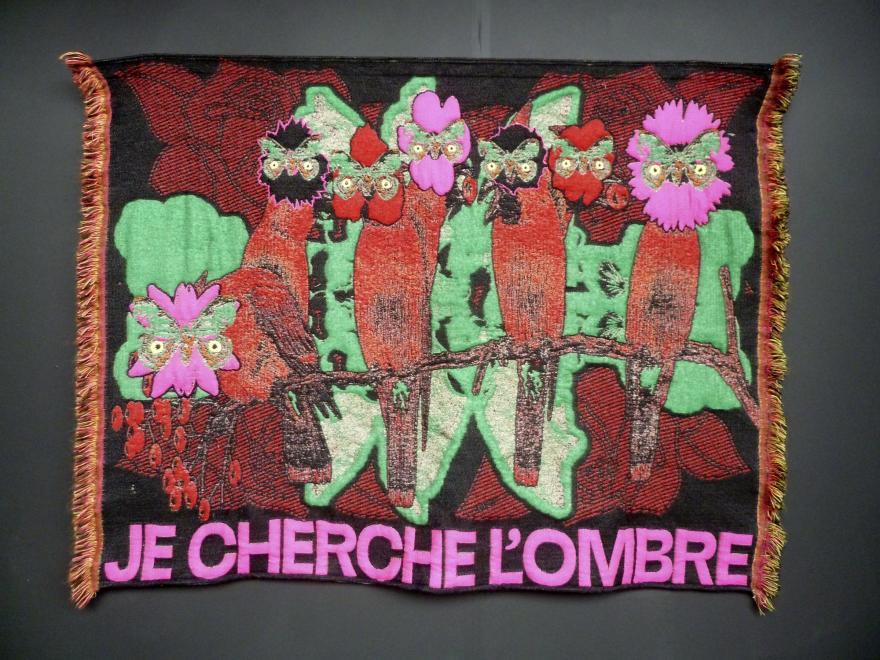
Curriculum
More specifically, students will be asked to develop a personal Master’s project within the multifaceted field of textile art and design. Supervisors and teachers help students to determine their artistic position in relation to the tradition and topicality of textile design. To support the student’s research, staff and fellow students give feedback during the Master's sessions and students have the possibility to choose out of a wide range of theoretical seminars to broaden their knowledge. Finally, the Master's thesis offers students the opportunity to focus more reflectively on aspects they find important as artists/designers.
For an update on projects and activities of the atelier click here.
If you want to see the work our students make, take a look at our Instagram.
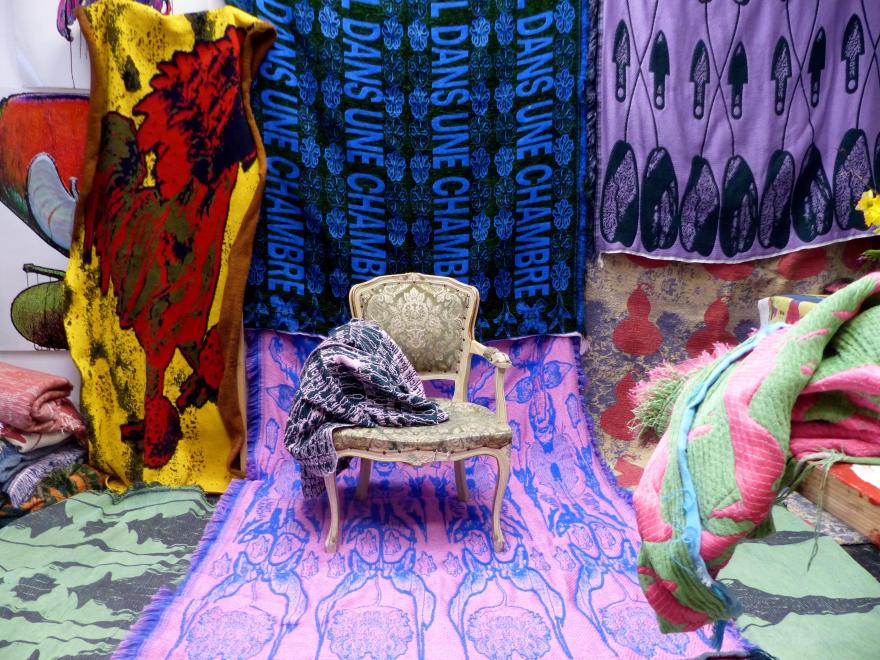
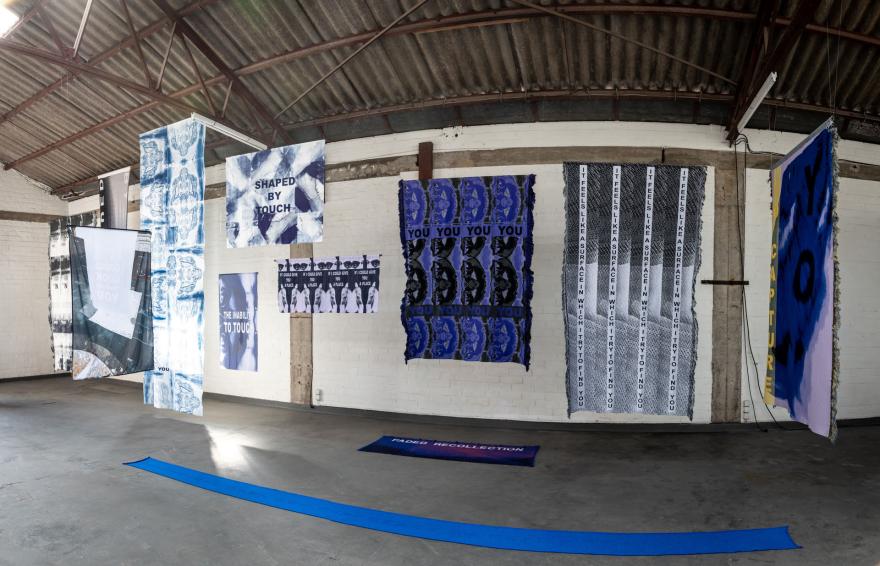
Manon Clement
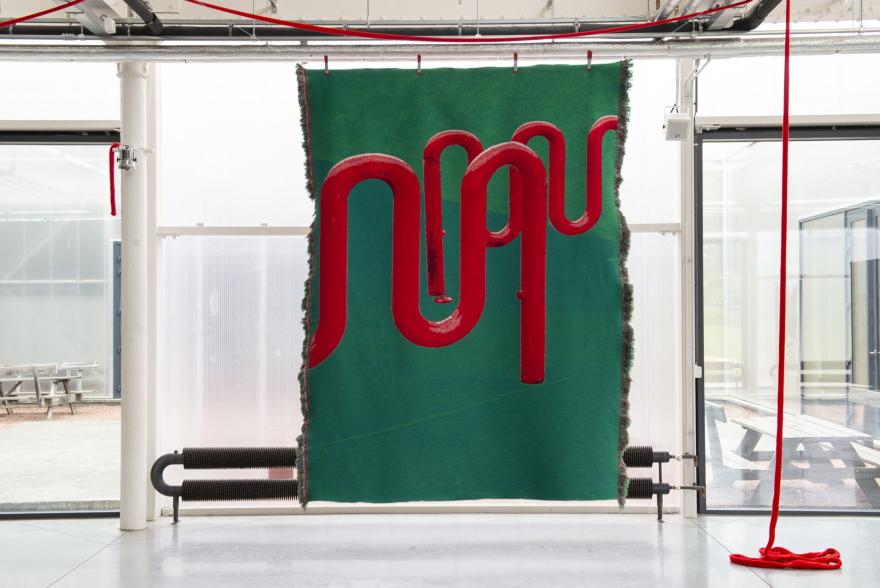
Louise Verstraete
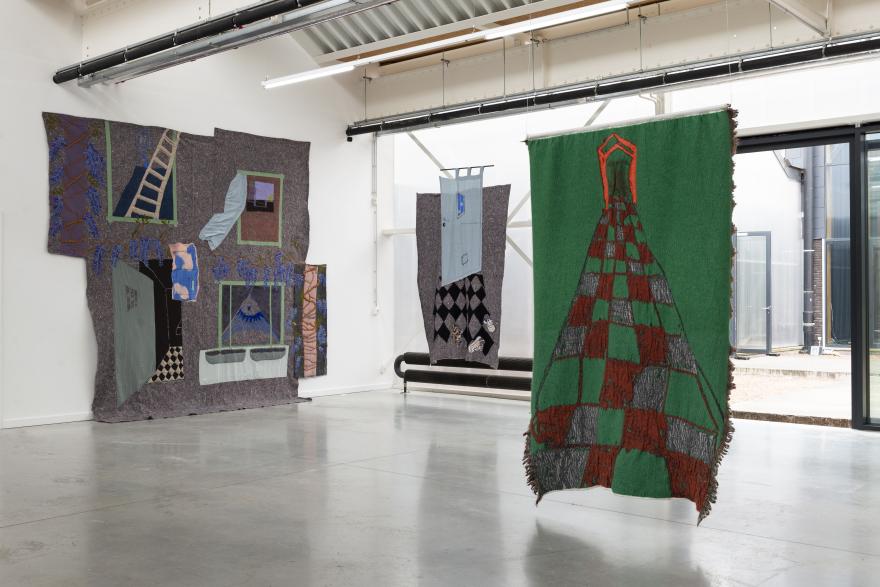
Celina Vleugels
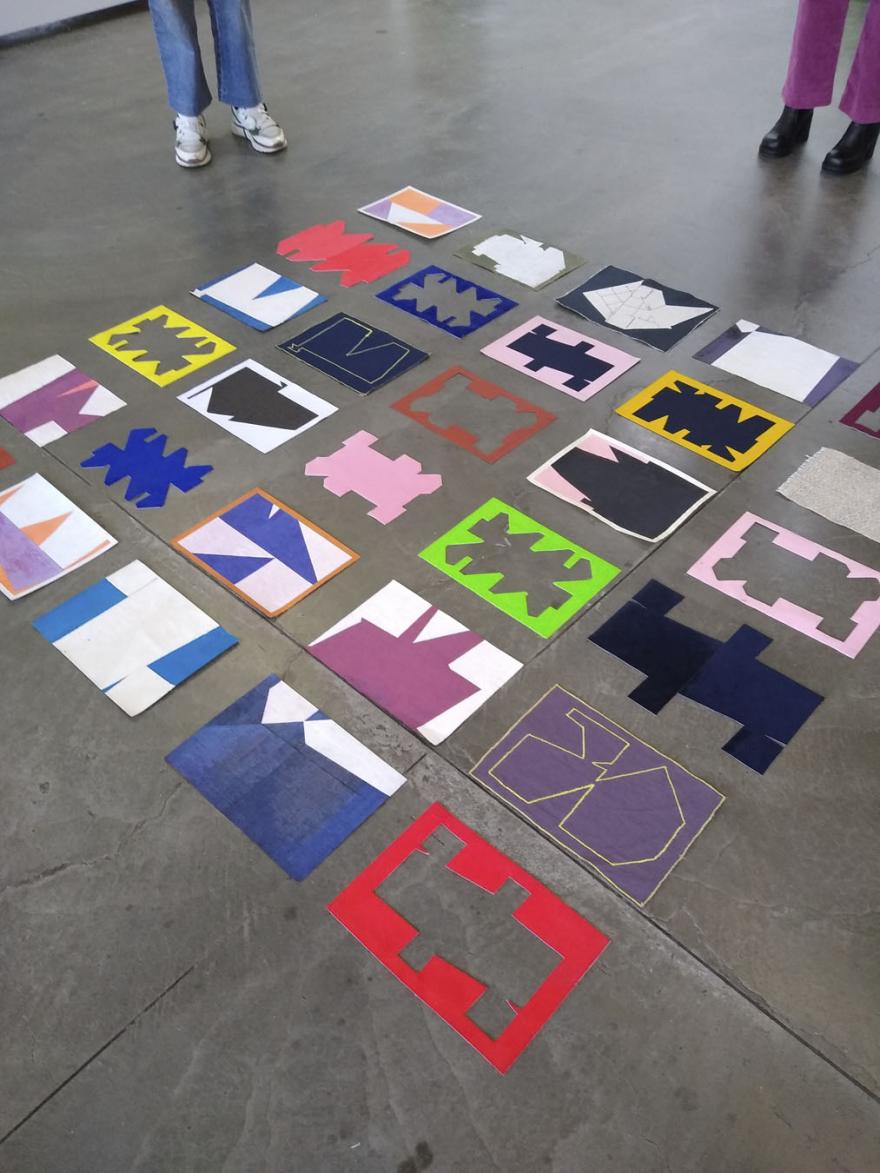
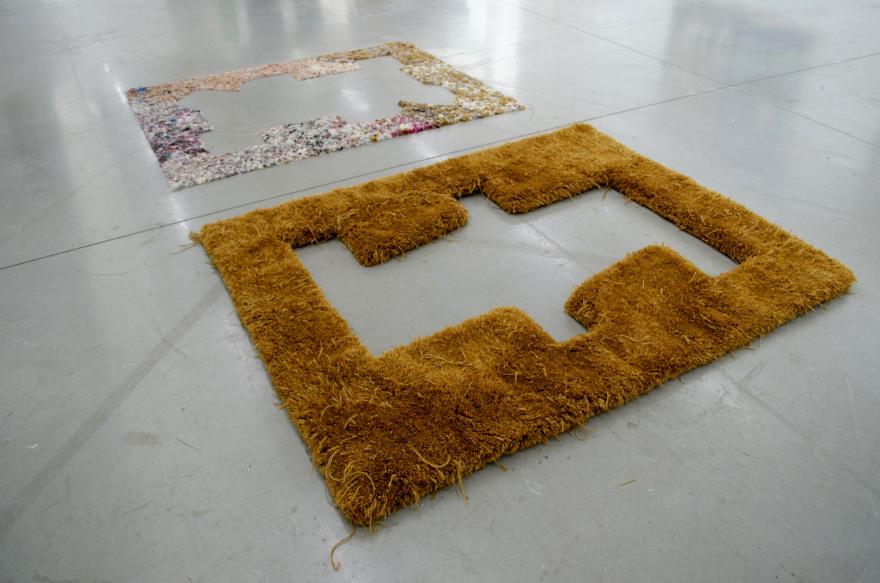
Margot Van den Berghe
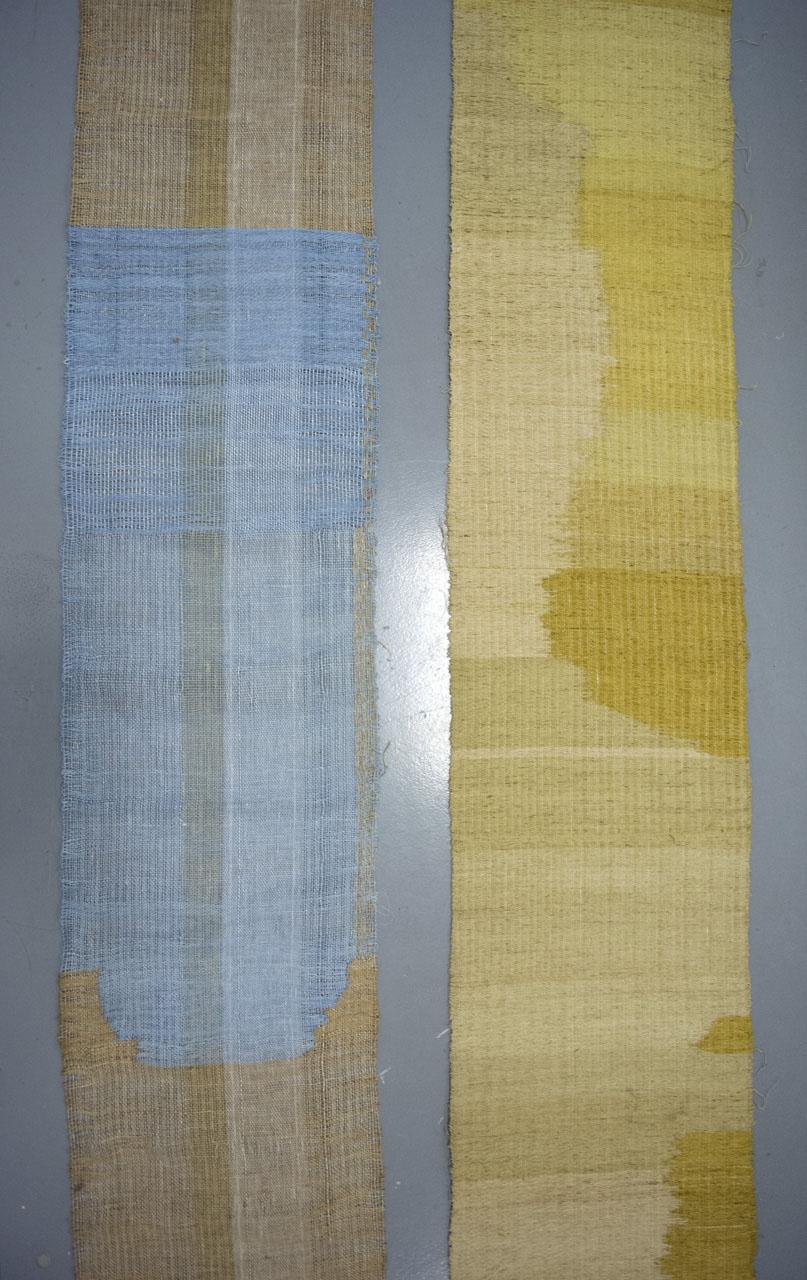
Annelotte Lammertse
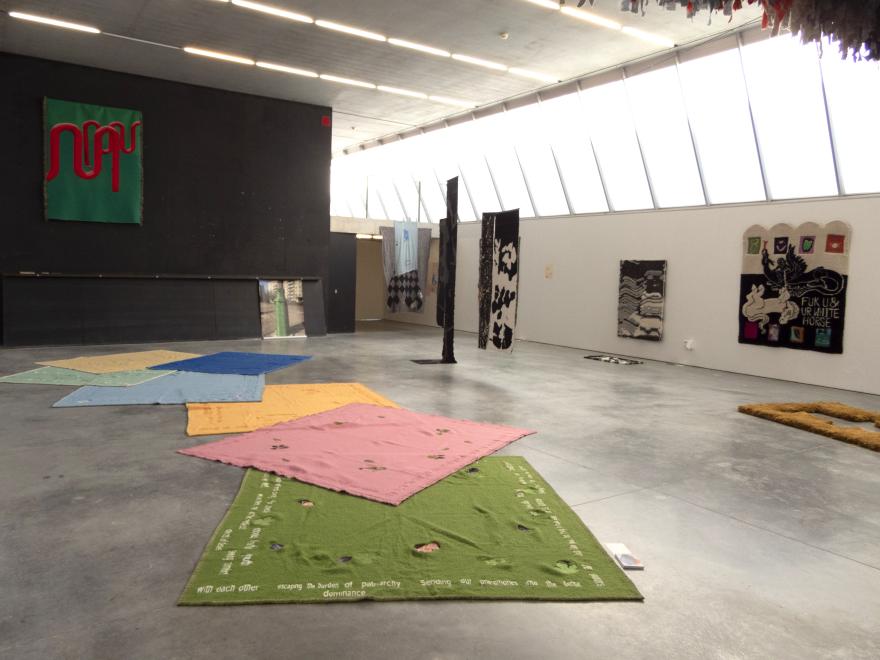
Paulien Jans/masters 2021
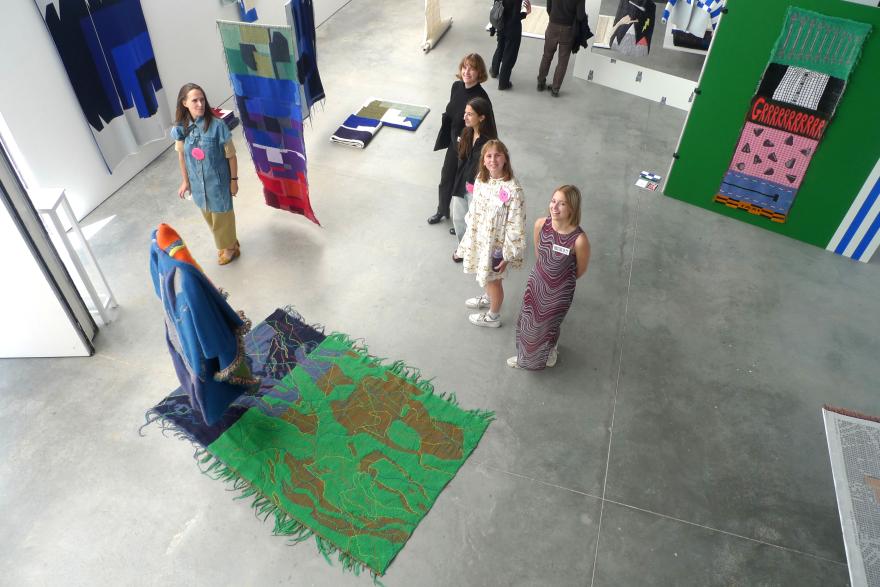
masters 2022
Master programme
The master graduate project
For your master graduate project, you choose your own artistic project. You realize this work and present it to a jury of internal and external experts during a public presentation. You contextualize your work with a thesis with which you situate your work within or against existing literature and debates. This proves that you can orient yourself within the field of the chosen artistic discipline.
For your master's thesis, you can make use of technical support and productional assistance and you rely on the advice of the tutors. Nevertheless, with your master's thesis, you prove that you work to a large extent independently.
Masters' sessions strengthen your critical-reflective outlook
During the masters' sessions, you will study the artistic praxis of the other master's students. You work together in heterogeneously composed groups and meet students from different specializations. During weekly meetings, you discuss each other's artistic practice through discussions, interviews, group debates and guided tours. You and your fellow students take the lead in the sessions. During this process, the two accompanying teachers act as moderator. In this way, the sessions evolve from a series of artist's talks into an open platform about contemporary art: everything can be discussed, but nothing is without obligation.
Discover LUCA’s workshops
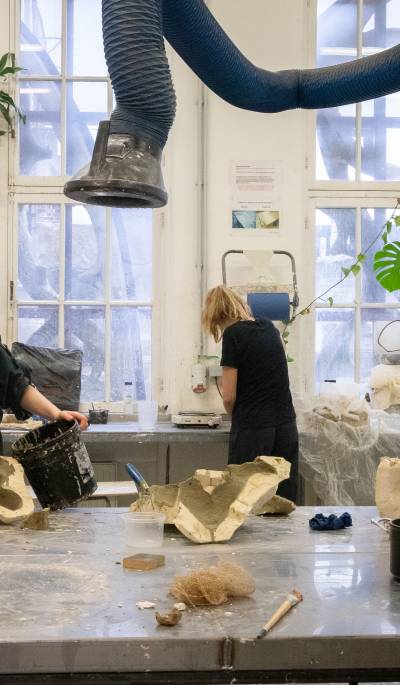
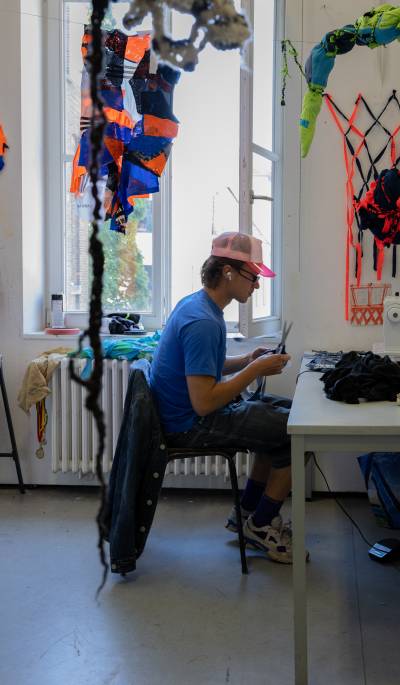
In the textile workshop in Ghent you learn to work with different materials and techniques such as weaving, knitting, felting, plant-based dyeing, embroidery, quilting and sewing. Here you can receive advice and personal guidance.
In addition, the equipment loan service provides access to textile materials and equipment such as dress forms, dye kettles, carding machines, spinning wheels, tufting guns and sewing and needle-felting machines. Any idea that uses textile as its medium can be realised here.
As a LUCA student, you have access to every workshop across all LUCA campuses.
Welcome!
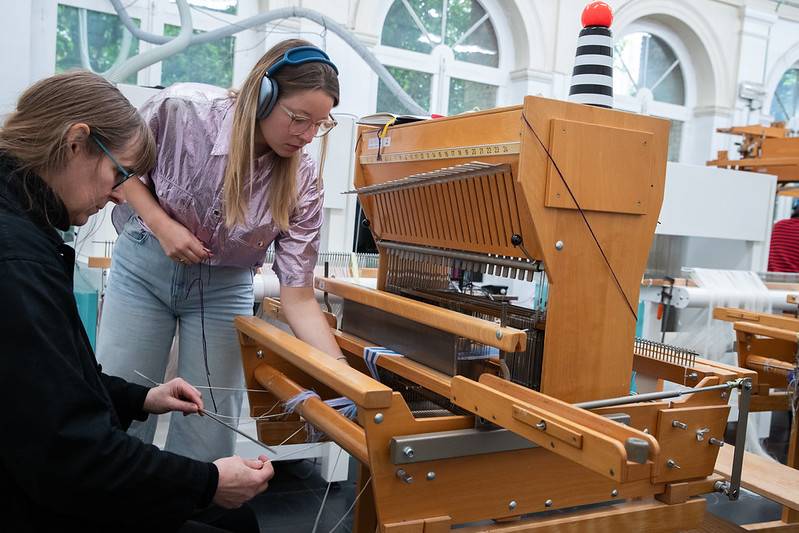
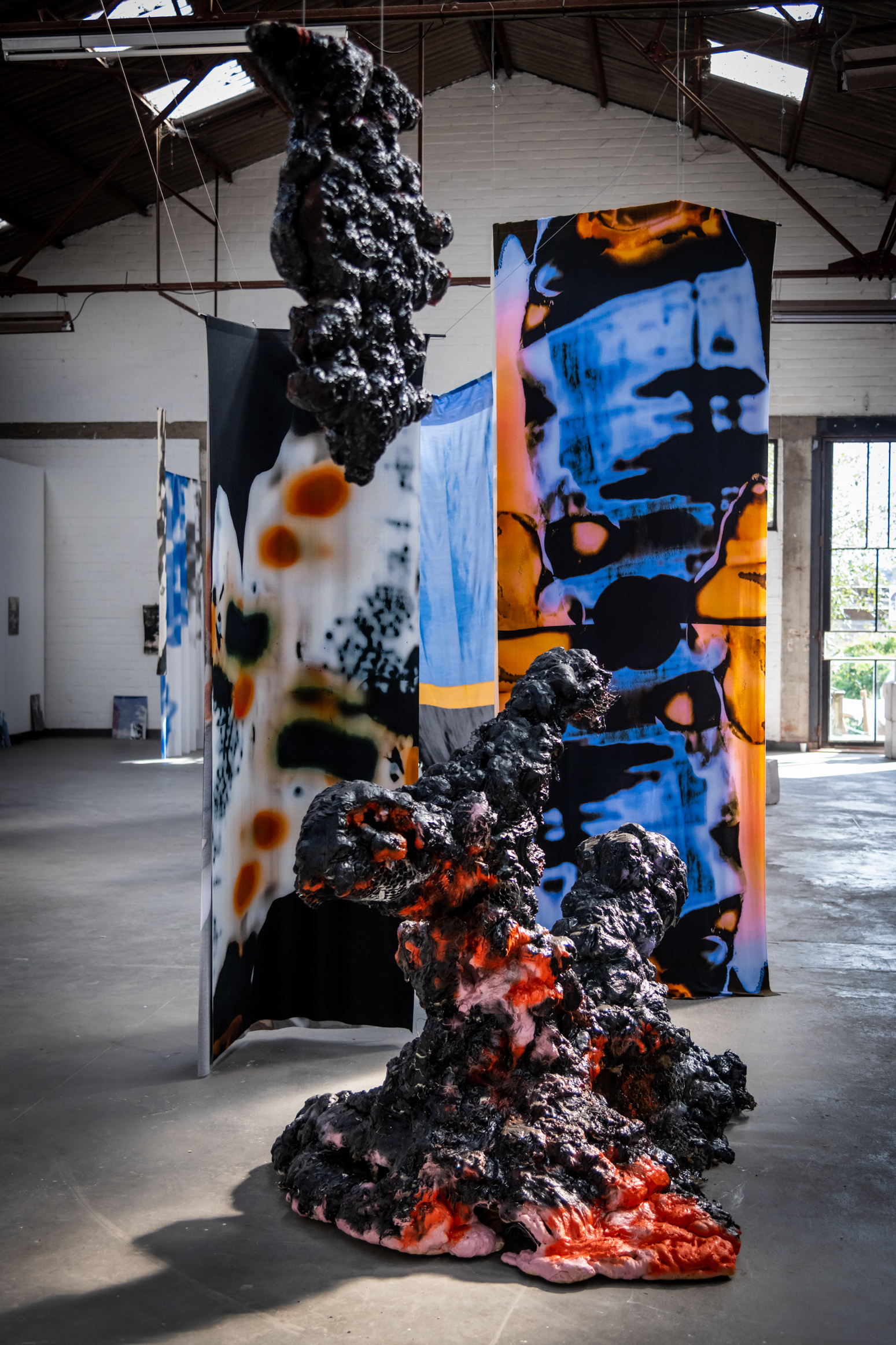
Issa Mushidi
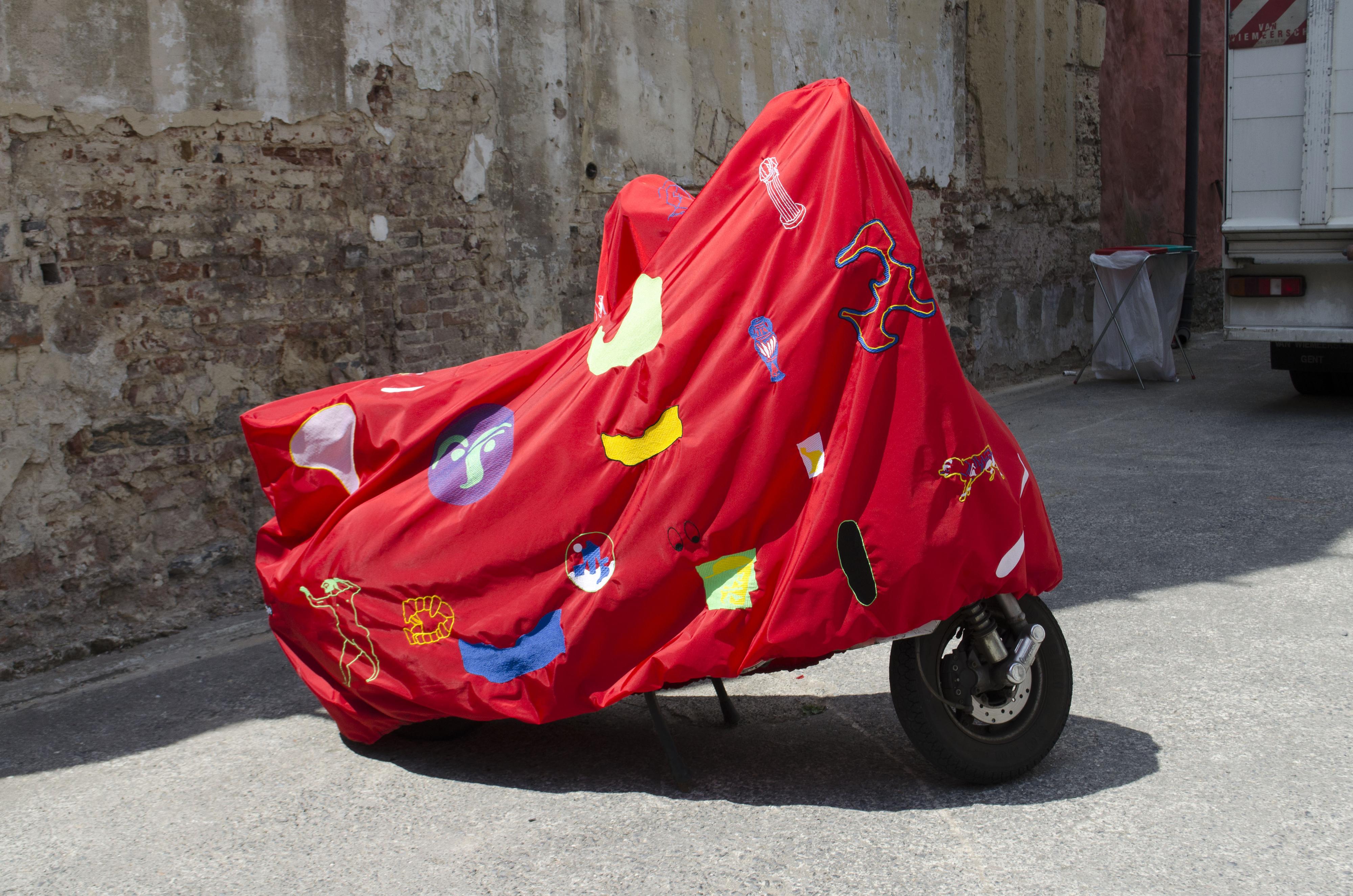
Charlotte Stuby
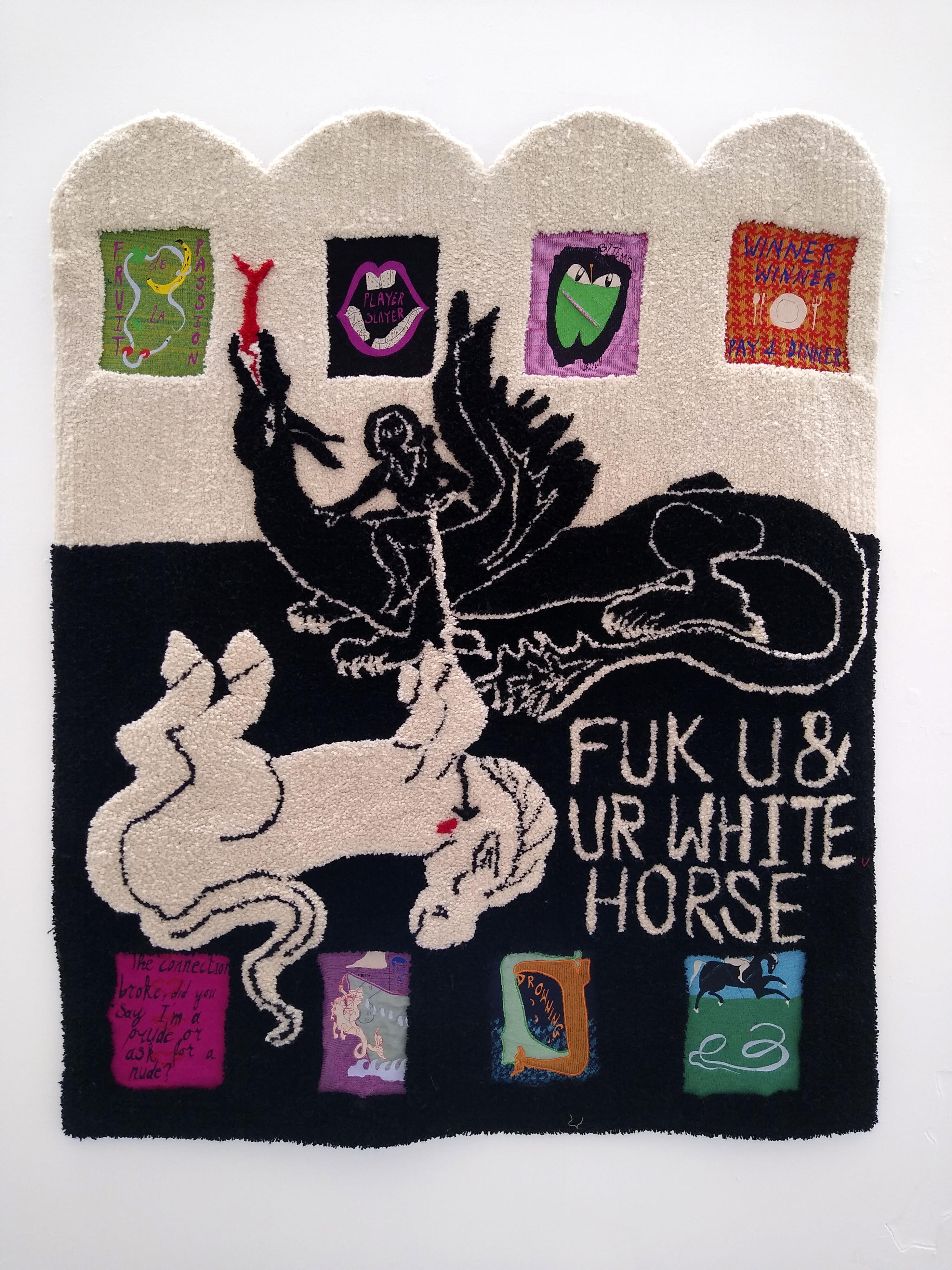
Sam Druant
What do you need?
A good command of English (level B2) is required to make the most of your stay with us.
Campus Ghent does not own student accommodation. Therefore, you will have to rent a room on the private housing market for the duration of your stay. To help you in your search, please contact our student support services (https://www.luca-arts.be/en/contact-student-support-services).
Interested in this course?
Application & entry requirements
Enrollment procedure
The application and enrollment procedure at LUCA School of Arts consists in general of three steps.
- First you will have to submit an online Admissions application in which you will be asked to upload certain documents required for the Admissions’ diploma and language check. We will be checking if you meet with the diploma and language requirements.
- The second step continues with your participation in a Master Assessment.
- Step three is the final and binding (online) registration (for which you will receive a unique registration link after succeeding the Master Assessment).
Do you want to start a Master's degree at LUCA?
Then you must pass the MASTER ASSESSMENT
Where do you have class?
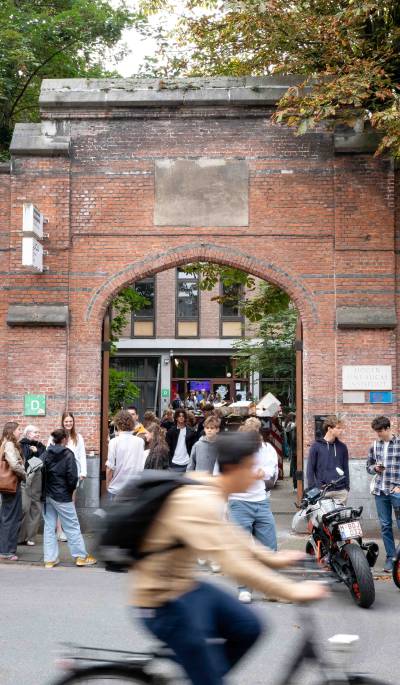
Facilities & campus life
Campus Sint-Lucas Ghent in a nutshell
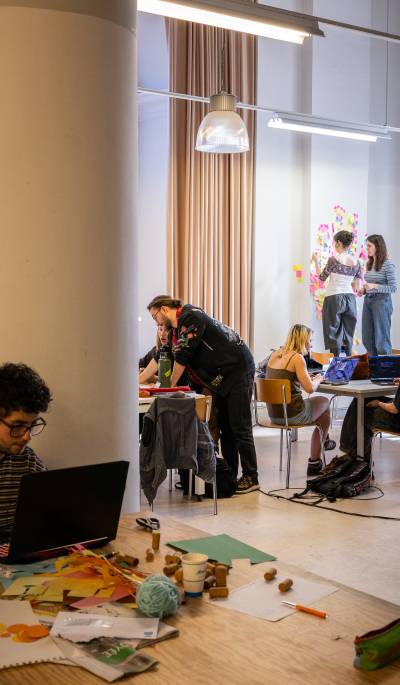
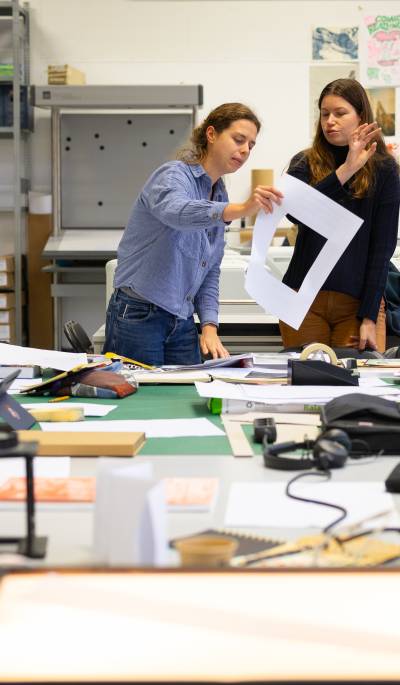
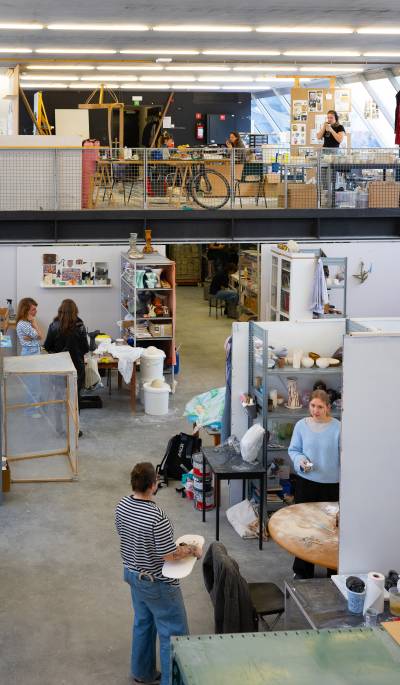
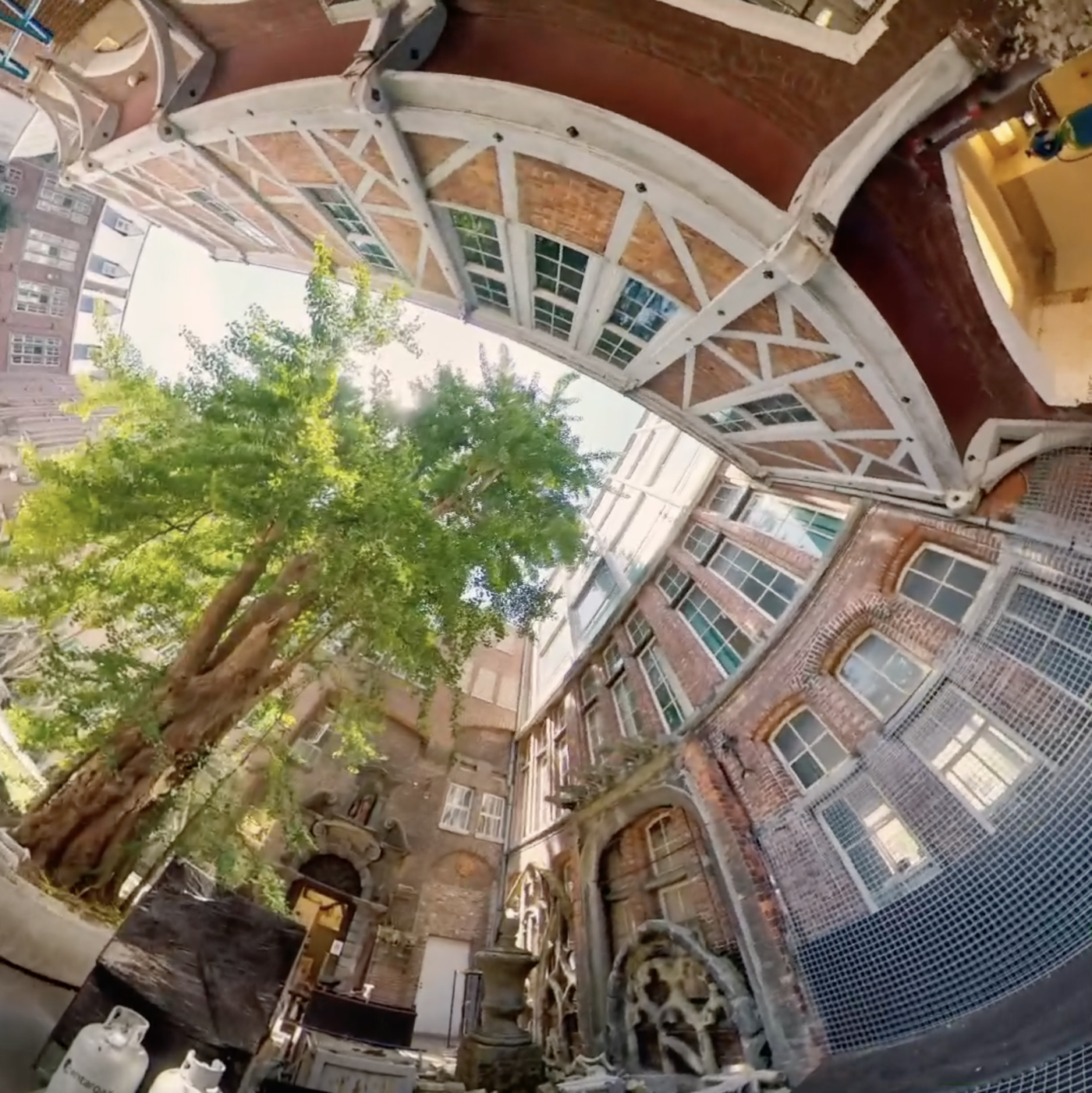
LUCA-campus Ghent (Sint-Lucas) consists of various buildings, most of them are located in the lovely historic city centre of Ghent where the vast majority of the classes are taught. One campus building is situated in a park in Mariakerke, the greenest suburb of Ghent. Depending on the courses you enroll for, you may also have classes for half a day or a full day at Mariakerke.
Students have a working space on campus for the duration of the exchange and can make use of the technical facilities for casting, metal, word, printmaking, textiles, print and scan, screen printing, audio, video and photography.
Further studies and career
Are you curious about our approach to Art education? During our open days, you will get all the information you need, visit the campus, talk to our teaching staff and students ... Still not convinced? Visit our graduation show! During this, on-campus two-day art festival you can experience first hand how good our students really are.
Staff
A dedicated team of renowned practising artists and designers guarantee a state-of-the-art artistic education. Interested to find out more about the academic staff? Then please have a look at the Instagram page of the various disciplines:
- Cathérine Biasino, Lieve Decorte, Alexis Gautier, Hana Miletić, Bram van Breda, Helga Danckers, Anja Veirman
Each student will be assigned two supervisors at the start of the academic year, based on the student’s preference, the contents of the Master’s degree project and thesis and the expertise of the supervisors. Students work freely and independently on their self-chosen projects and receive individual guidance from supervisors through dialogue and feedback.
Workshop - TC2 jacquard weaving
Interested in this course?
Quality is LUCA’s driving force
If the fundamental attitude of the policy plan implies that ‘quality is our driving force’, and that every aspect of the policy can be assessed against this, then LUCA undeniably aims to build and nurture a strong quality culture: a culture based on trust in people with talent and expertise, and aimed at valuing, inspiring, and improving.
The formal quality framework for study programmes within LUCA was named KOPERA, which stands for: Critically Analyzing the Quality of Study Programmes with Peers in Self-Direction.
For KOPERA, LUCA starts from a vision of quality assurance that stems from trust and is aimed at valuing, inspiring, and improving.
During the six-year KOPERA cycle, each study programme receives a panel of critical friends who review the implementation of the quality characteristics and examine how the programme contributes to the general LUCA policy.
The culmination of KOPERA is the ultimate assurance of programme quality. The core question here is: "does the study program have a good quality culture that follows the ‘plan-do-check-act’ cycle?"
LUCA publishes a quality sheet for every study program. You can find this on the 'Quality Assurance' page.
#WeArt